

-
2026-08-21 2026-08-21
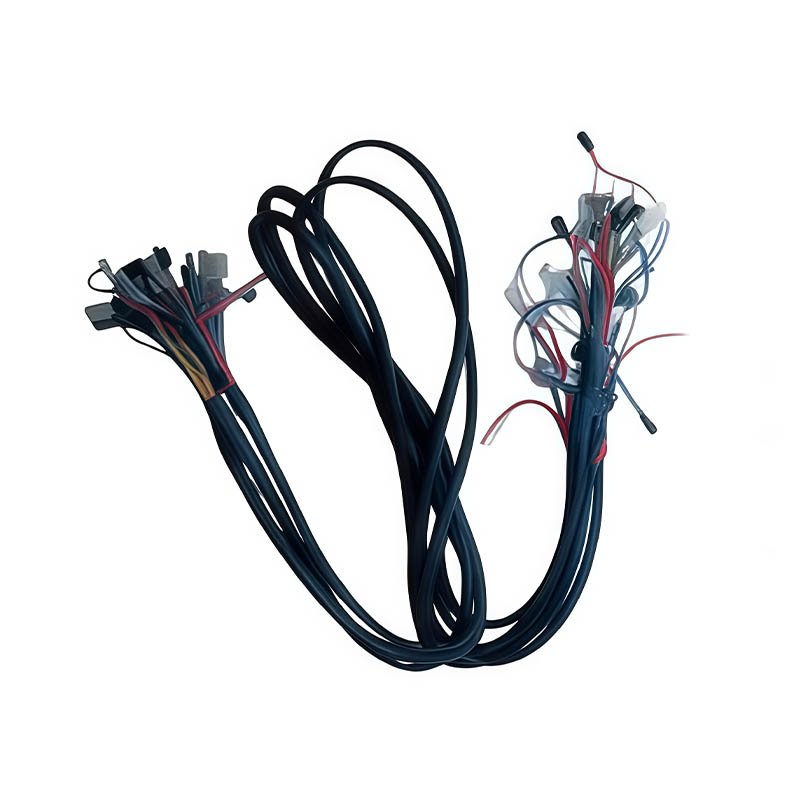
What advantages enable the electric vehicle main cable to serve as a critical component in the electrical systems of new energy vehicles?
As the new energy vehicle industry evolves, internal electrical systems are becoming increasingly integrated and complex, making stable power transmission a fundamental requirement for vehicle operation. -
2026-08-14 2026-08-14
How to Balance Flexibility and Tensile Strength in Motorcycle Main Cables to Meet the Complex Wiring Needs of Motorcycles?
In actual use, the cable may be continuously subjected to bending, stretching, vibration, and friction. Improving tensile strength while maintaining flexibility is an important direction in the design of Motorcycle Main Cables. -
2026-08-07 2026-08-07
How does RV Flexible Power Cable reduce line loss in long-term vibration environments through structural optimization?
RV Flexible Power Cable effectively reduces line loss in vibration environments by optimizing its internal structure and material design, ensuring the continuous and stable operation of onboard equipment. -
2026-07-24 2026-07-24
In what ways does the flexible stranded design of BVR cables facilitate easier routing through conduits and tight spaces?
The flexible stranded design of BVR (PVC-insulated stranded copper wire) fundamentally transforms the electrical installation process, particularly when navigating complex conduits and spatially restricted environments. Unlike solid-core wires that posses -
2026-07-15 2026-07-15
How can bend-resistant design improve the reliability of air conditioner connection cables during frequent installation and maintenance?
Adopting a bend-resistant design, combined with high-quality conductors, superior insulation materials, and a scientific cable structure, can effectively improve the reliability and service life of air conditioner connection cables, providing strong suppo -
2026-07-09 2026-07-09
How can high-quality conductor materials improve conductivity and power supply stability in building engineering?
With the continuous expansion of building engineering scale and the widespread application of intelligent electrical equipment, power systems place higher demands on the conductivity, safety, and operational stability of wires and cables.