


How can high-quality conductor materials improve conductivity and power supply stability in building engineering?
Release Time : 2026-07-09
With the continuous expansion of building engineering scale and the widespread application of intelligent electrical equipment, power systems place higher demands on the conductivity, safety, and operational stability of wires and cables. As a crucial component of building power distribution systems, the quality of wires and cables directly affects power transmission efficiency and the reliable operation of the entire electrical system. High-quality conductor materials, with their excellent conductivity, stable mechanical strength, and superior durability, can effectively reduce line losses, improve power supply stability, and provide safer and more efficient power transmission guarantees for building engineering and home wiring.
1. High-quality conductor materials improve conductivity efficiency
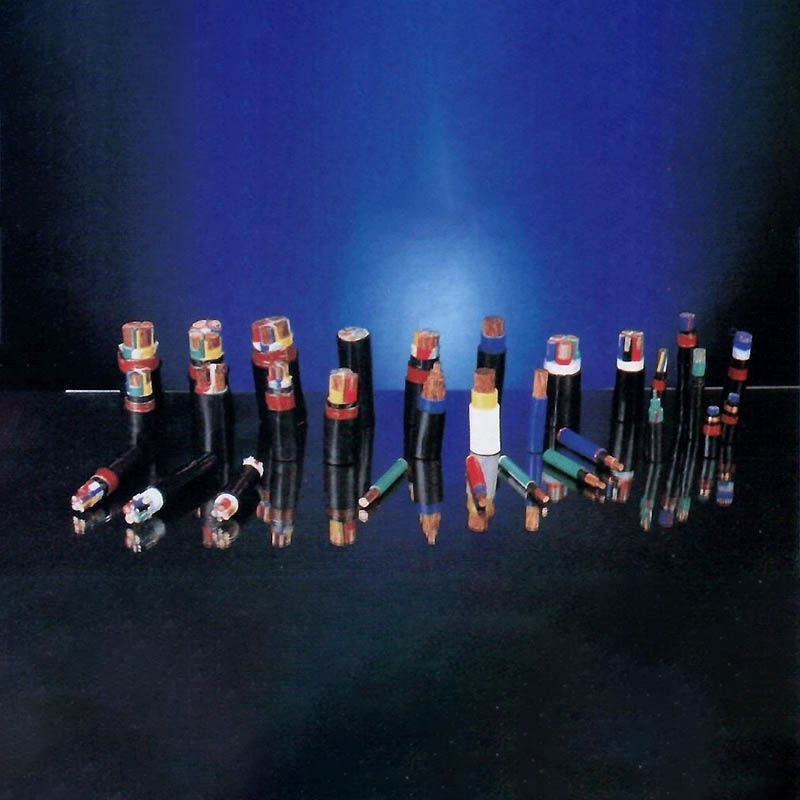
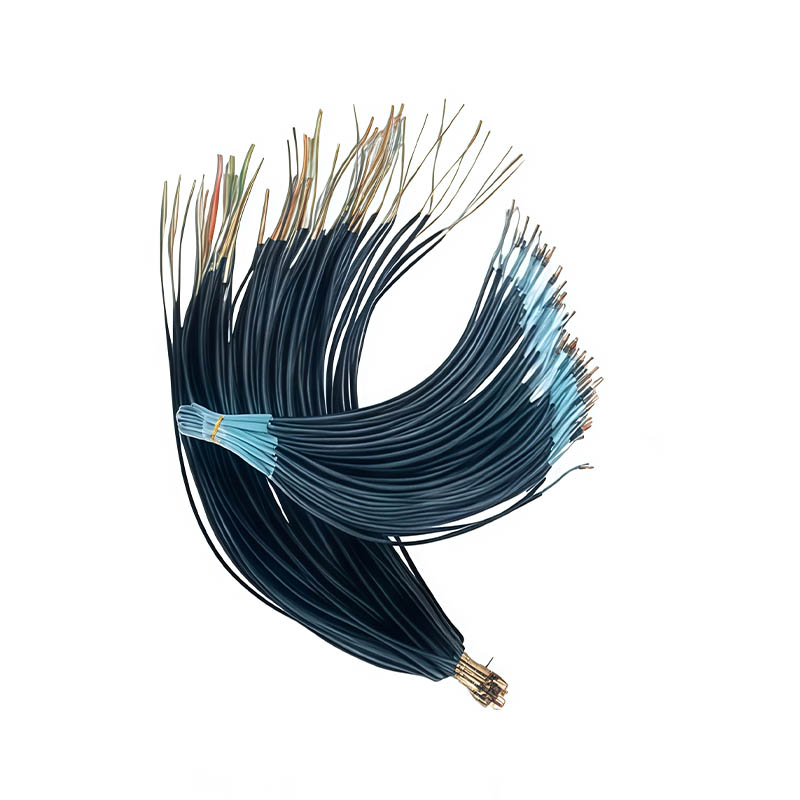
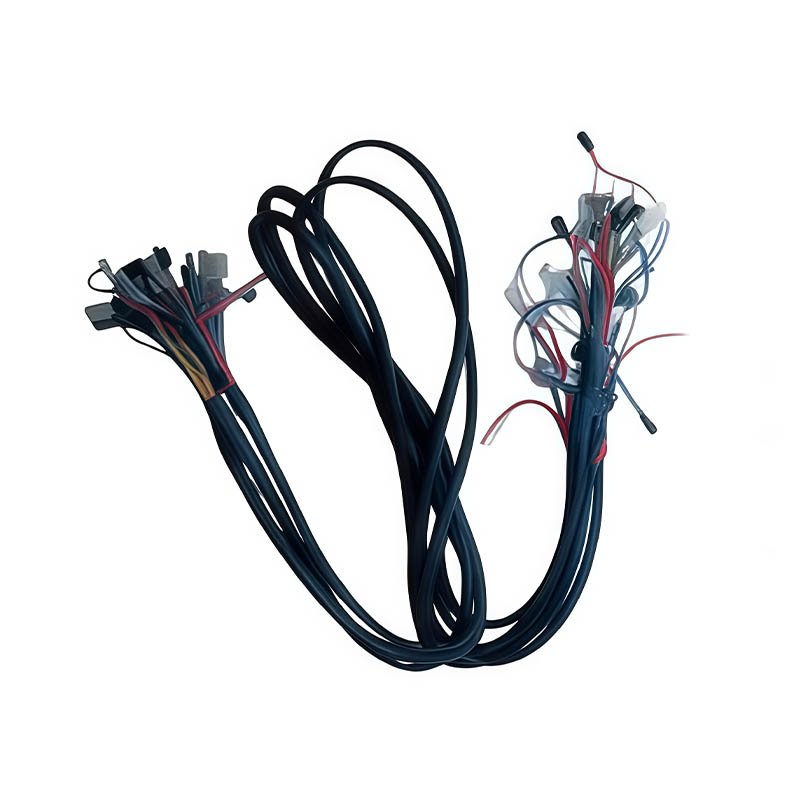
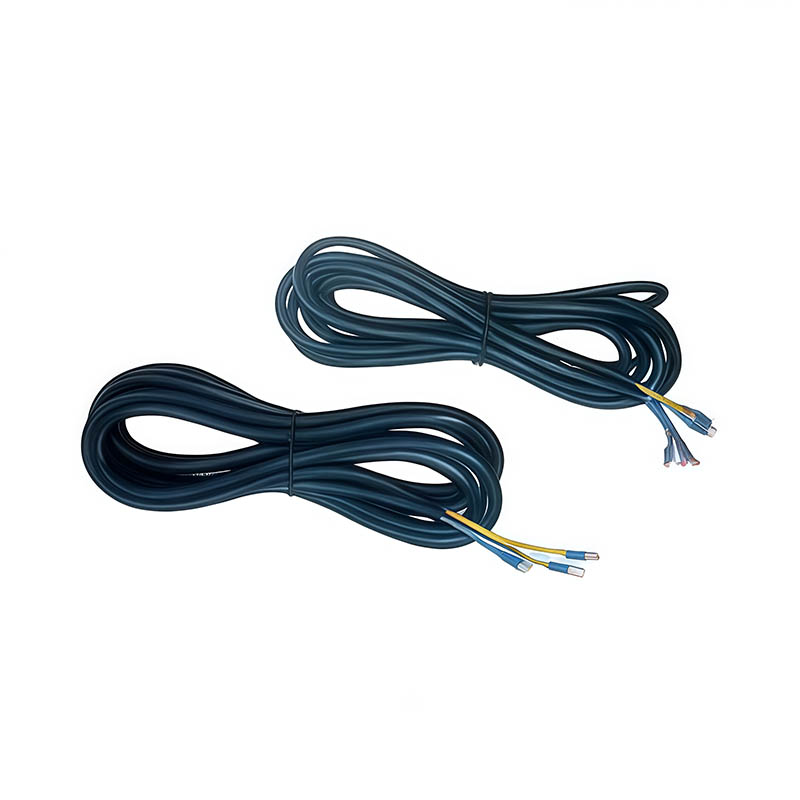
The conductor is the core component of wires and cables for transmitting electrical energy, and its conductivity directly determines transmission efficiency. Using high-purity copper conductors or high-quality aluminum alloy conductors can effectively reduce conductor resistance, reduce energy loss during current transmission, and improve energy utilization. Especially in large-scale building engineering, commercial complexes, and residential power supply systems, high-quality conductor materials can ensure stable current delivery, providing continuous and reliable power support for lighting systems, air conditioning equipment, elevators, and various intelligent appliances. Meanwhile, lower resistance also reduces line heating, improving the overall operating efficiency of wires and cables.
2. Reduced Line Losses and Enhanced Power Supply Stability
Buildings typically require the installation of numerous wires and cables over long distances. Insufficient conductor material performance can easily lead to voltage drops and unstable power supply. High-quality conductor materials have better conductivity, effectively reducing line voltage drops and enabling more stable power delivery to various terminal devices. For locations with high requirements for power continuity, such as office buildings, hospitals, schools, and industrial plants, stable power transmission ensures normal equipment operation, reduces equipment failures caused by voltage fluctuations, and improves the reliability of the entire building's electrical system.
3. Superior Mechanical Properties Enhance Long-Term Reliability
In addition to conductivity, conductor materials also need good mechanical strength and flexibility. High-quality conductors, processed through precision drawing and stranding techniques, improve the tensile and bending resistance of wires and cables, facilitating conduit installation, wiring, and other construction processes. Meanwhile, a stable conductor structure reduces the risk of breakage due to vibration, thermal expansion and contraction during long-term operation, improving line reliability, extending the lifespan of wires and cables, and reducing later maintenance and replacement costs.
4. Ensuring Electrical Safety with High-Quality Insulation Materials
High-quality conductor materials need to be combined with high-performance insulation and sheath materials to fully realize the comprehensive performance of wires and cables. Advanced insulation materials not only effectively prevent leakage and short circuits but also possess characteristics such as high temperature resistance, aging resistance, and flame retardancy, adapting to the long-term operational needs of complex building environments. The synergistic effect of conductors and insulation layers enables wires and cables to further enhance the safety performance of building electrical systems while ensuring efficient power transmission, providing more reliable power supply for homes and engineering projects.
By improving conductivity, reducing line losses, enhancing mechanical properties, and combining with a high-quality insulation structure, wires and cables not only achieve more stable and efficient power transmission but also comprehensively improve the safety and reliability of building power supply systems.
1. High-quality conductor materials improve conductivity efficiency
The conductor is the core component of wires and cables for transmitting electrical energy, and its conductivity directly determines transmission efficiency. Using high-purity copper conductors or high-quality aluminum alloy conductors can effectively reduce conductor resistance, reduce energy loss during current transmission, and improve energy utilization. Especially in large-scale building engineering, commercial complexes, and residential power supply systems, high-quality conductor materials can ensure stable current delivery, providing continuous and reliable power support for lighting systems, air conditioning equipment, elevators, and various intelligent appliances. Meanwhile, lower resistance also reduces line heating, improving the overall operating efficiency of wires and cables.
2. Reduced Line Losses and Enhanced Power Supply Stability
Buildings typically require the installation of numerous wires and cables over long distances. Insufficient conductor material performance can easily lead to voltage drops and unstable power supply. High-quality conductor materials have better conductivity, effectively reducing line voltage drops and enabling more stable power delivery to various terminal devices. For locations with high requirements for power continuity, such as office buildings, hospitals, schools, and industrial plants, stable power transmission ensures normal equipment operation, reduces equipment failures caused by voltage fluctuations, and improves the reliability of the entire building's electrical system.
3. Superior Mechanical Properties Enhance Long-Term Reliability
In addition to conductivity, conductor materials also need good mechanical strength and flexibility. High-quality conductors, processed through precision drawing and stranding techniques, improve the tensile and bending resistance of wires and cables, facilitating conduit installation, wiring, and other construction processes. Meanwhile, a stable conductor structure reduces the risk of breakage due to vibration, thermal expansion and contraction during long-term operation, improving line reliability, extending the lifespan of wires and cables, and reducing later maintenance and replacement costs.
4. Ensuring Electrical Safety with High-Quality Insulation Materials
High-quality conductor materials need to be combined with high-performance insulation and sheath materials to fully realize the comprehensive performance of wires and cables. Advanced insulation materials not only effectively prevent leakage and short circuits but also possess characteristics such as high temperature resistance, aging resistance, and flame retardancy, adapting to the long-term operational needs of complex building environments. The synergistic effect of conductors and insulation layers enables wires and cables to further enhance the safety performance of building electrical systems while ensuring efficient power transmission, providing more reliable power supply for homes and engineering projects.
By improving conductivity, reducing line losses, enhancing mechanical properties, and combining with a high-quality insulation structure, wires and cables not only achieve more stable and efficient power transmission but also comprehensively improve the safety and reliability of building power supply systems.