


How can bend-resistant design improve the reliability of air conditioner connection cables during frequent installation and maintenance?
Release Time : 2026-07-15
In the installation and maintenance of residential, commercial, and central air conditioning systems, connection cables not only play a crucial role in the stable transmission of power and control signals, but also need to withstand complex construction environments such as frequent bending, conduit wiring, and repeated disassembly and reassembly. If the connection cable lacks flexibility or experiences problems such as core breakage or insulation cracking after prolonged bending, it will not only affect the normal operation of the air conditioning system but may also increase maintenance costs and safety risks. Adopting a bend-resistant design, combined with high-quality conductors, superior insulation materials, and a scientific cable structure, can effectively improve the reliability and service life of air conditioner connection cables, providing strong support for the long-term stable operation of air conditioning equipment.
1. Bend-resistant structure enhances installation adaptability
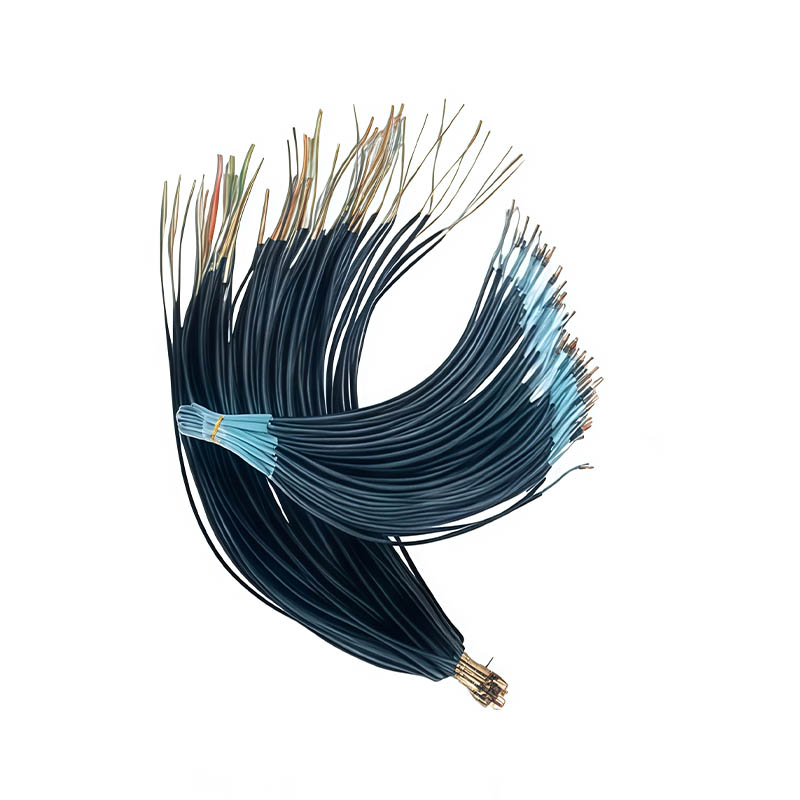
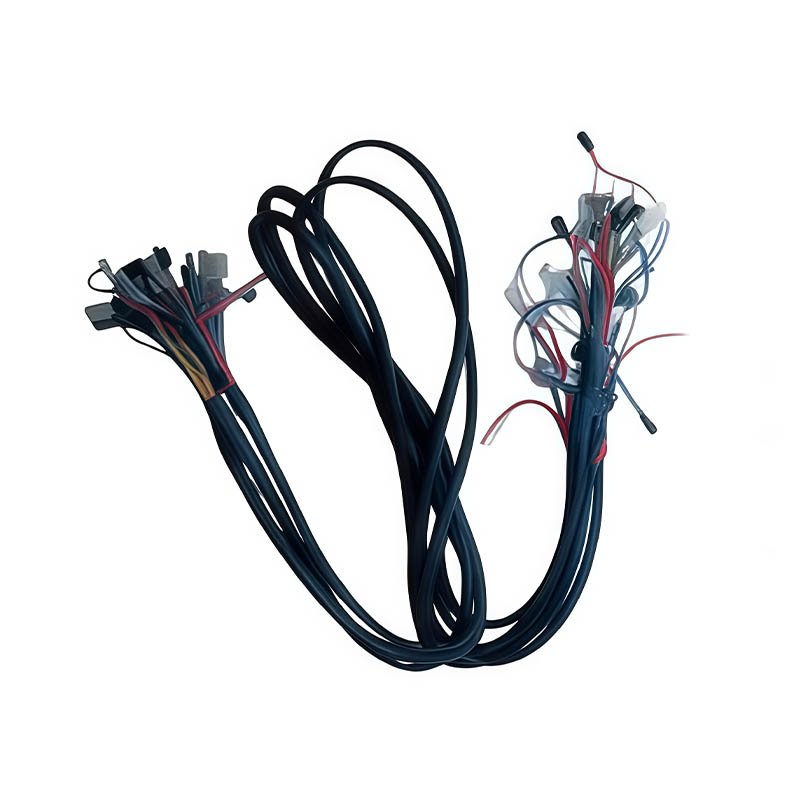
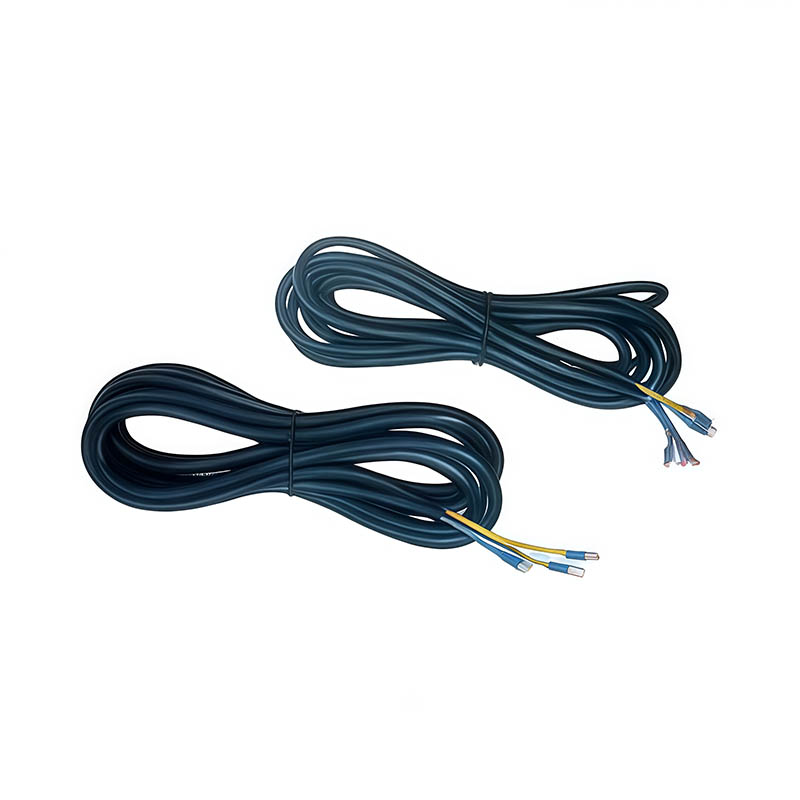
Air conditioner connection cables typically need to pass through confined spaces such as walls, cable trays, cable racks, or inside equipment during installation, therefore, they must possess good flexibility and bend resistance. By optimizing the conductor stranding method and cable structure design, the conductor can evenly distribute stress during multiple bending processes, reducing local stress concentration and thus lowering the risk of conductor fatigue fracture. Meanwhile, a well-designed structure allows the connecting cable to bend and shape more easily in complex wiring environments, improving construction efficiency and reducing installation difficulty. Whether installing new equipment or during later maintenance and replacement, the bend-resistant design ensures the cable maintains stable performance, improving overall installation quality and reliability.
2. High-Quality Materials Ensure Long-Term Stable Operation
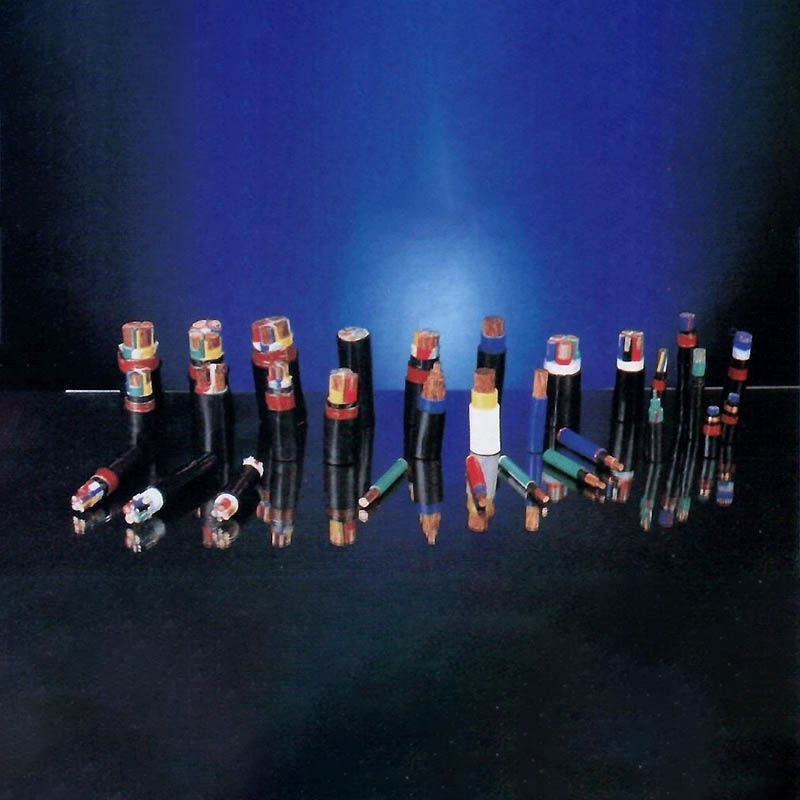
Bend resistance depends not only on structural design but also on high-quality materials. Air conditioner connection cables typically use high-purity copper conductors, possessing excellent conductivity and flexibility. Even after repeated bending over a long period, they maintain a stable electrical connection, reducing increased resistance and overheating caused by conductor damage. Simultaneously, the outer insulation material uses high-performance materials that are resistant to high temperatures, wear, and aging, effectively resisting friction, compression, and environmental changes during long-term use, preventing insulation cracking or peeling. Furthermore, excellent flame-retardant, moisture-proof, and corrosion-resistant properties allow the connecting cable to adapt to high-temperature, high-humidity, and complex installation environments, further improving the safety and stability of the air conditioning system.
3. Precision Manufacturing Enhances Product Consistency
To meet the demands of large-volume production and long-term use, modern air conditioner connection cables utilize automated production equipment and precision manufacturing processes. Precise control is exercised over every stage, including conductor stranding, insulation extrusion, and sheath molding, ensuring high consistency in cable dimensions, insulation thickness, and mechanical properties. During production, multiple quality tests are conducted on conductivity, bending resistance, voltage withstand capability, and insulation performance to ensure product compliance with relevant standards. Standardized production not only improves product consistency but also reduces the risk of malfunctions due to quality variations during installation and maintenance.
With its bending-resistant design, high-quality conductors, high-temperature resistant insulation materials, and precision manufacturing processes, air conditioner connection cables consistently meet the needs of frequent installations, long-term operation, and complex environmental applications, providing a safer, more stable, and reliable electrical connection solution for various air conditioning systems.
1. Bend-resistant structure enhances installation adaptability
Air conditioner connection cables typically need to pass through confined spaces such as walls, cable trays, cable racks, or inside equipment during installation, therefore, they must possess good flexibility and bend resistance. By optimizing the conductor stranding method and cable structure design, the conductor can evenly distribute stress during multiple bending processes, reducing local stress concentration and thus lowering the risk of conductor fatigue fracture. Meanwhile, a well-designed structure allows the connecting cable to bend and shape more easily in complex wiring environments, improving construction efficiency and reducing installation difficulty. Whether installing new equipment or during later maintenance and replacement, the bend-resistant design ensures the cable maintains stable performance, improving overall installation quality and reliability.
2. High-Quality Materials Ensure Long-Term Stable Operation
Bend resistance depends not only on structural design but also on high-quality materials. Air conditioner connection cables typically use high-purity copper conductors, possessing excellent conductivity and flexibility. Even after repeated bending over a long period, they maintain a stable electrical connection, reducing increased resistance and overheating caused by conductor damage. Simultaneously, the outer insulation material uses high-performance materials that are resistant to high temperatures, wear, and aging, effectively resisting friction, compression, and environmental changes during long-term use, preventing insulation cracking or peeling. Furthermore, excellent flame-retardant, moisture-proof, and corrosion-resistant properties allow the connecting cable to adapt to high-temperature, high-humidity, and complex installation environments, further improving the safety and stability of the air conditioning system.
3. Precision Manufacturing Enhances Product Consistency
To meet the demands of large-volume production and long-term use, modern air conditioner connection cables utilize automated production equipment and precision manufacturing processes. Precise control is exercised over every stage, including conductor stranding, insulation extrusion, and sheath molding, ensuring high consistency in cable dimensions, insulation thickness, and mechanical properties. During production, multiple quality tests are conducted on conductivity, bending resistance, voltage withstand capability, and insulation performance to ensure product compliance with relevant standards. Standardized production not only improves product consistency but also reduces the risk of malfunctions due to quality variations during installation and maintenance.
With its bending-resistant design, high-quality conductors, high-temperature resistant insulation materials, and precision manufacturing processes, air conditioner connection cables consistently meet the needs of frequent installations, long-term operation, and complex environmental applications, providing a safer, more stable, and reliable electrical connection solution for various air conditioning systems.