


What advantages enable the electric vehicle main cable to serve as a critical component in the electrical systems of new energy vehicles?
Release Time : 2026-08-21
As the new energy vehicle industry evolves, internal electrical systems are becoming increasingly integrated and complex, making stable power transmission a fundamental requirement for vehicle operation. As a vital component for power transmission and equipment connectivity, the electric vehicle main cable must possess excellent electrical conductivity, insulation properties, and mechanical stability to ensure continuous power delivery during operation. High-quality cables not only enhance the reliability of electrical systems but also provide stable power connections for vehicle-related equipment, as well as for applications in construction projects and residential wiring.
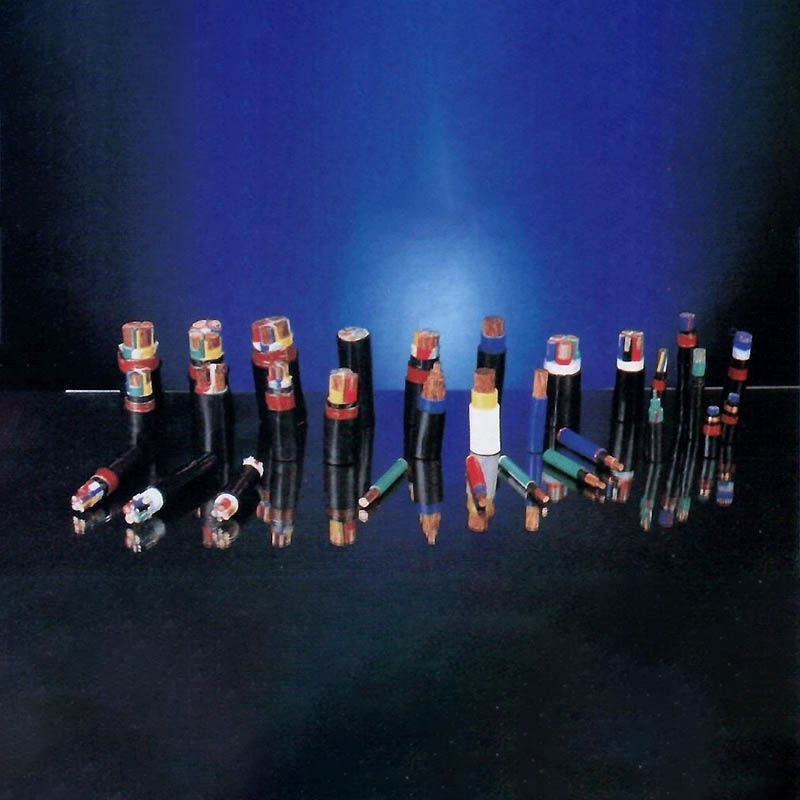
Electric vehicle main cables offer great versatility in material selection and structural design, allowing them to meet specific electrical connection requirements across various operating environments. High-quality conductors maintain superior current-carrying capacity and minimize transmission losses, ensuring a stable power supply to the equipment. Meanwhile, a well-designed insulation structure effectively protects the internal conductors, mitigating the impact of external environmental factors and maintaining electrical stability over long-term use.
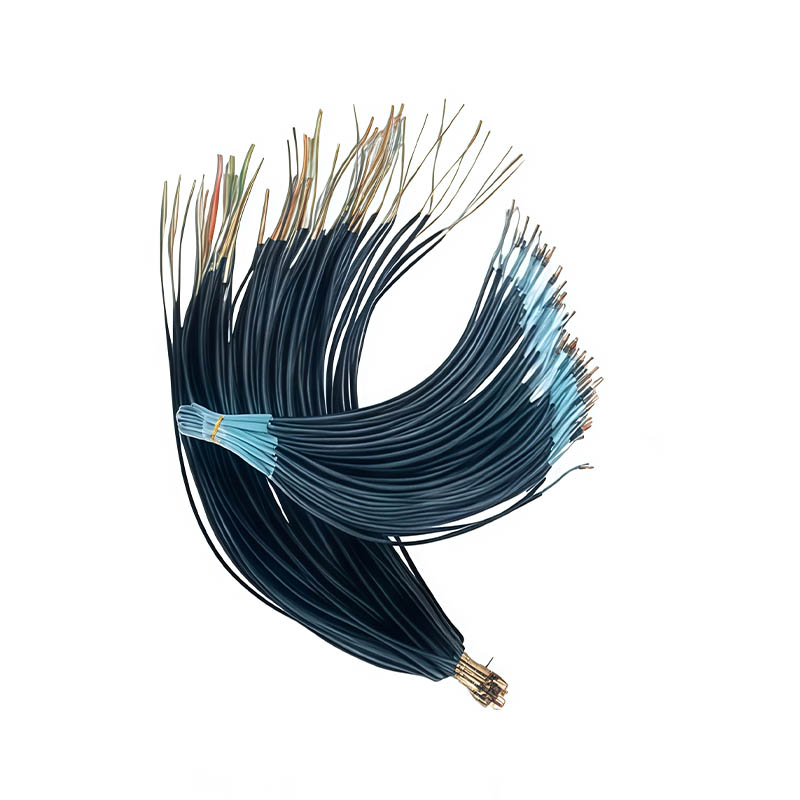
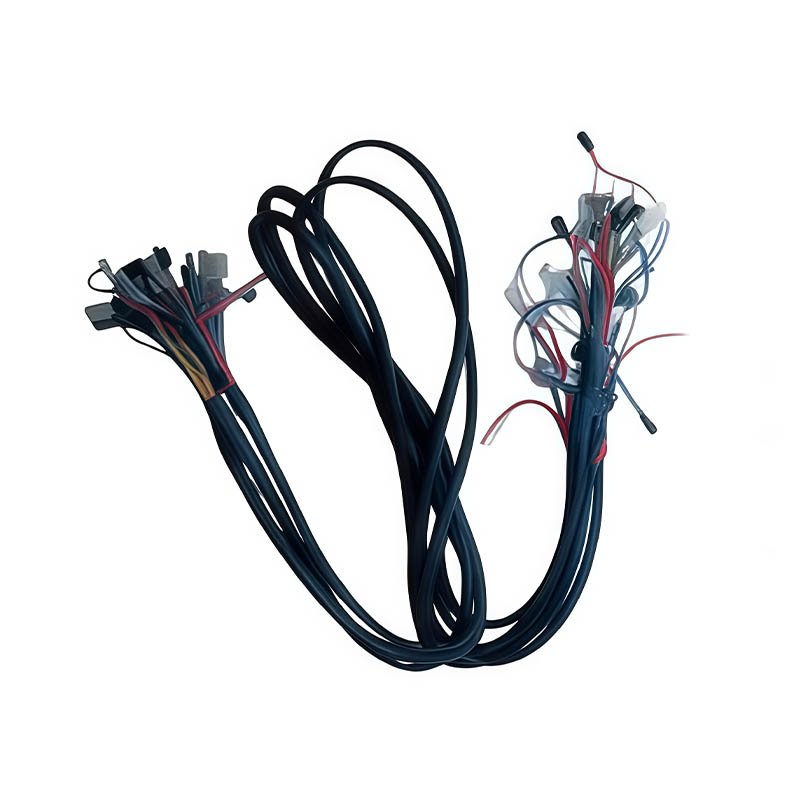
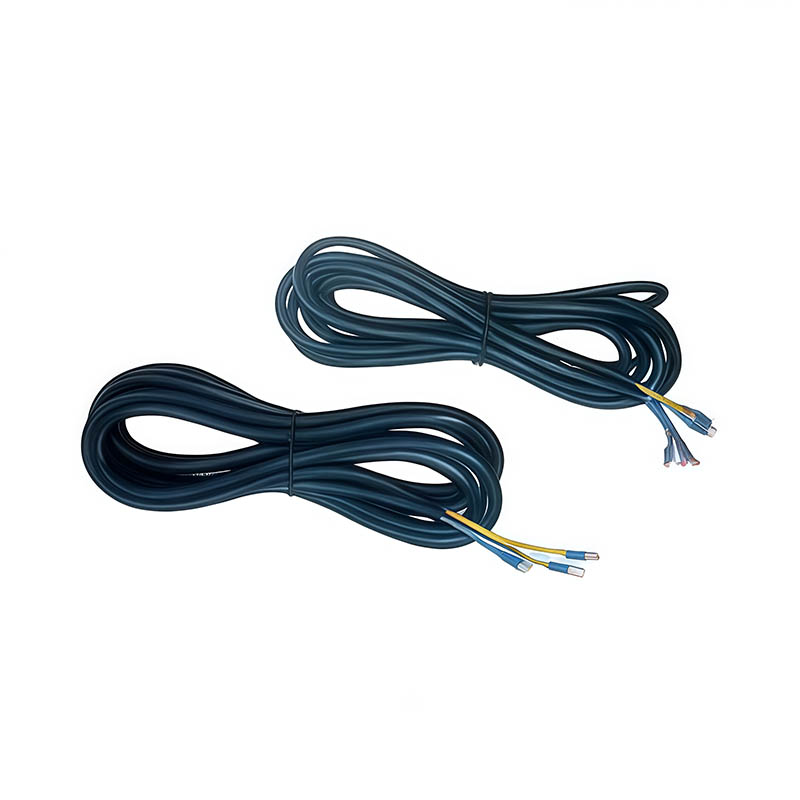
In practical installation and application, cable flexibility significantly influences installation efficiency and ease of use. Electric vehicle main cables can be routed effectively to suit diverse wiring environments, making them highly adaptable for both construction projects and residential electrical systems. Their flexible yet stable structure simplifies installation, results in neater wiring layouts, and facilitates future inspection and maintenance. In complex electrical environments where space is constrained, cables that are easy to install allow for more rational wiring layouts, thereby improving the overall performance and user experience of the electrical system.
High-quality cables must also balance durability with safety. A robust outer protective structure minimizes damage from abrasion, bending, and environmental factors, ensuring the cable maintains its integrity during prolonged operation. Superior insulation properties enhance operational safety, providing a reliable connection foundation for electrical equipment. Given that cables in residential wiring and construction projects often operate continuously over long periods, stable material performance and reliable manufacturing processes are of paramount importance. In terms of application scope, electric vehicle main cables serve not only the electrical systems of new energy vehicles but—depending on product structure and operating environments—also find use in construction projects, residential wiring, and other power connection scenarios. Cables available in various specifications meet diverse circuit design requirements, offering significant application flexibility. Whether for fixed installations or inter-equipment electrical connections, selecting the appropriate cable lays a solid foundation for the overall system's operation.
Regarding cable manufacturing, a stable production process is crucial for ensuring product quality. Rigorous process control is required at every stage, from conductor processing and insulation manufacturing to final product testing. Only through the harmonious integration of materials, structure, and manufacturing processes can cables maintain consistent performance in real-world applications. For new energy vehicles and building electrical systems requiring long-term operation, this stability further enhances equipment reliability.
Overall, electric vehicle main cables provide a reliable foundation for modern electrical systems, thanks to their excellent conductivity, stable insulation, flexible installation characteristics, and strong environmental adaptability. As new energy vehicles and intelligent electrical applications continue to evolve, high-quality cables will play an increasingly vital role in power transmission, equipment connectivity, and infrastructure development. Their stability, safety, durability, and ease of installation make them essential components in modern electrical engineering.
Electric vehicle main cables offer great versatility in material selection and structural design, allowing them to meet specific electrical connection requirements across various operating environments. High-quality conductors maintain superior current-carrying capacity and minimize transmission losses, ensuring a stable power supply to the equipment. Meanwhile, a well-designed insulation structure effectively protects the internal conductors, mitigating the impact of external environmental factors and maintaining electrical stability over long-term use.
In practical installation and application, cable flexibility significantly influences installation efficiency and ease of use. Electric vehicle main cables can be routed effectively to suit diverse wiring environments, making them highly adaptable for both construction projects and residential electrical systems. Their flexible yet stable structure simplifies installation, results in neater wiring layouts, and facilitates future inspection and maintenance. In complex electrical environments where space is constrained, cables that are easy to install allow for more rational wiring layouts, thereby improving the overall performance and user experience of the electrical system.
High-quality cables must also balance durability with safety. A robust outer protective structure minimizes damage from abrasion, bending, and environmental factors, ensuring the cable maintains its integrity during prolonged operation. Superior insulation properties enhance operational safety, providing a reliable connection foundation for electrical equipment. Given that cables in residential wiring and construction projects often operate continuously over long periods, stable material performance and reliable manufacturing processes are of paramount importance. In terms of application scope, electric vehicle main cables serve not only the electrical systems of new energy vehicles but—depending on product structure and operating environments—also find use in construction projects, residential wiring, and other power connection scenarios. Cables available in various specifications meet diverse circuit design requirements, offering significant application flexibility. Whether for fixed installations or inter-equipment electrical connections, selecting the appropriate cable lays a solid foundation for the overall system's operation.
Regarding cable manufacturing, a stable production process is crucial for ensuring product quality. Rigorous process control is required at every stage, from conductor processing and insulation manufacturing to final product testing. Only through the harmonious integration of materials, structure, and manufacturing processes can cables maintain consistent performance in real-world applications. For new energy vehicles and building electrical systems requiring long-term operation, this stability further enhances equipment reliability.
Overall, electric vehicle main cables provide a reliable foundation for modern electrical systems, thanks to their excellent conductivity, stable insulation, flexible installation characteristics, and strong environmental adaptability. As new energy vehicles and intelligent electrical applications continue to evolve, high-quality cables will play an increasingly vital role in power transmission, equipment connectivity, and infrastructure development. Their stability, safety, durability, and ease of installation make them essential components in modern electrical engineering.