


How does RV Flexible Power Cable reduce line loss in long-term vibration environments through structural optimization?
Release Time : 2026-08-07
With the continuous development of RV travel and mobile lifestyles, the requirements for the safety and stability of vehicle electrical systems are becoming increasingly stringent. RVs are constantly exposed to road bumps, vehicle vibrations, and environmental changes during operation. As a crucial component connecting power sources to various devices, the power cable needs excellent shock resistance and long-term reliability. RV Flexible Power Cable effectively reduces line loss in vibration environments by optimizing its internal structure and material design, ensuring the continuous and stable operation of onboard equipment.
1. Flexible Structure Design Reduces Mechanical Stress from Vibration
During RV operation, the power cable vibrates continuously with the vehicle body. If ordinary cables lack flexibility, long-term bending and stretching can easily lead to conductor fatigue, insulation cracking, and other problems, thus affecting the stability of power transmission.
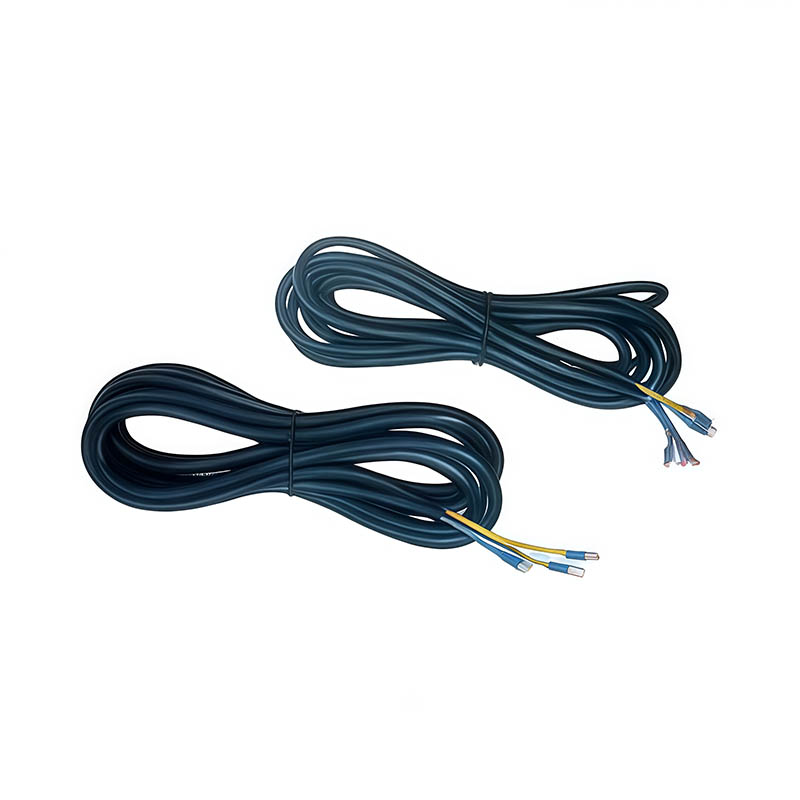
RV Flexible Power Cable employs a highly flexible structural design, allowing the cable to adapt to the displacement changes caused by vehicle movement. In environments with frequent bending and vibration, the flexible structure effectively disperses external stress, reduces localized stress concentration, lowers the risk of conductor breakage and line loss, and thus extends the overall service life.
2. Optimized Conductor Structure Enhances Current Transmission Stability
The internal conductor of the power cable is a crucial factor affecting power transmission efficiency. In RV applications, wiring needs to withstand prolonged power supply and complex operating conditions. An inadequate conductor structure design can easily lead to increased resistance, overheating, and energy loss.
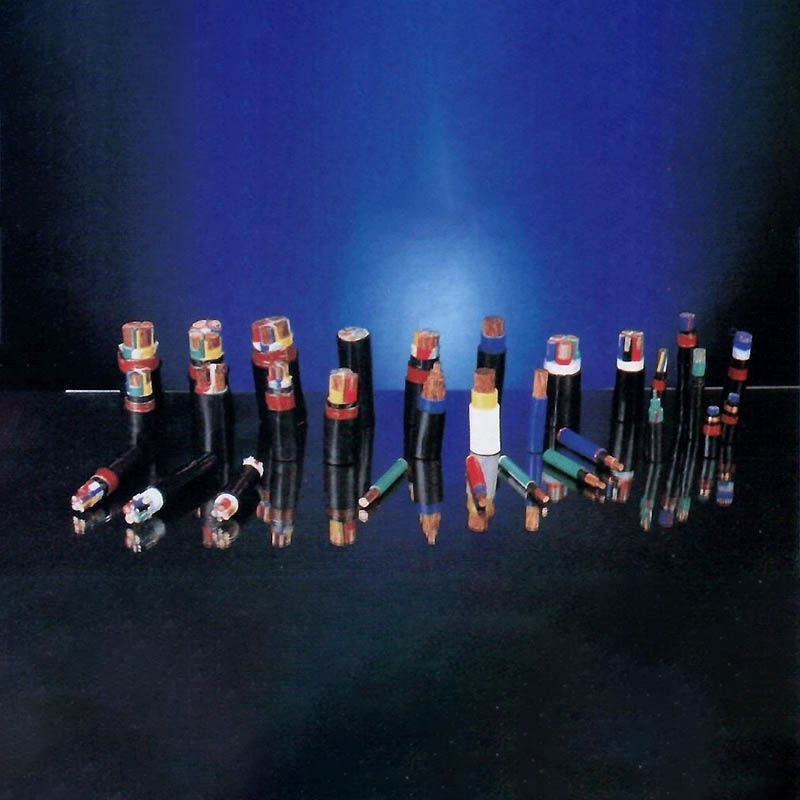
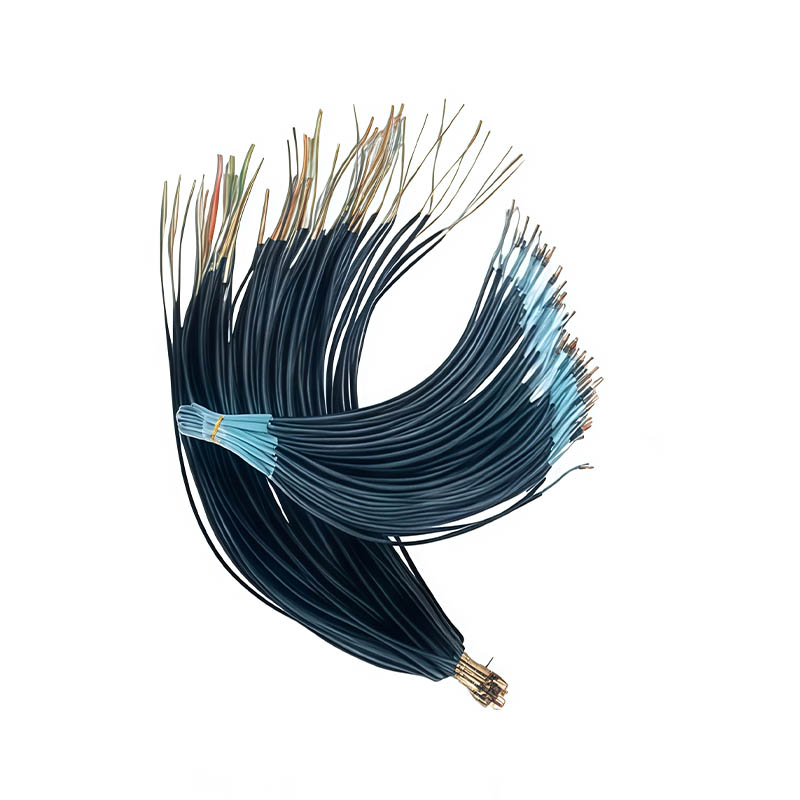
Flexible power cables typically employ a multi-strand stranded copper wire structure. By increasing conductor flexibility and fatigue resistance, current transmission becomes more stable. Compared to a single-strand rigid conductor, the multi-strand structure is less prone to breakage under vibration and bending, while maintaining a lower resistance level, thus improving the operating efficiency of the RV's electrical system.
3. Enhanced Insulation Protection Reduces Environmental Impact
RVs are frequently exposed to outdoor environments. Power cables not only need to withstand mechanical vibration but also temperature changes, humidity, dust, and sunlight. Insufficient insulation can easily lead to leakage, short circuits, or wire aging.
RV Flexible Power Cable effectively protects the internal conductors by using wear-resistant and aging-resistant insulation materials. The optimized insulation structure reduces wear caused by long-term vibration while improving moisture and corrosion resistance, ensuring good electrical performance of the wiring in complex environments.
4. Optimized Cable Layout Reduces Losses at Connections
Besides the power cable's inherent structure, proper installation is crucial for reducing line losses. RV interiors have limited space, and power lines typically need to traverse multiple corners and equipment connection areas; therefore, cables must be highly adaptable.
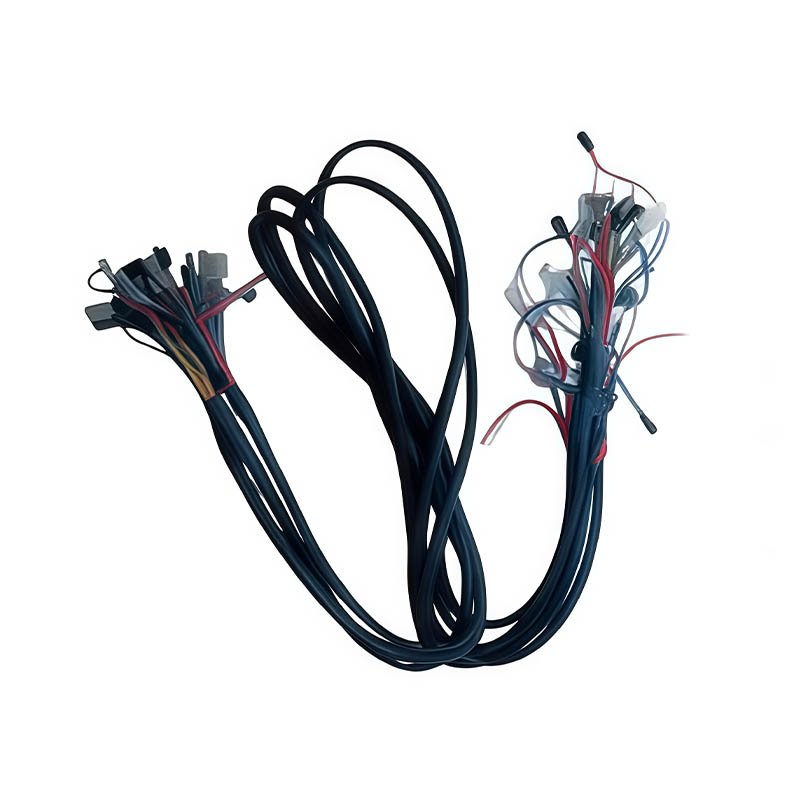
Flexible power cables can be flexibly arranged according to the RV's interior space, reducing excessive stretching and bending. Simultaneously, optimized interface connections and fixing methods reduce contact loosening caused by vibration, improving the overall stability of the power system.
5. Weather Resistance Ensures Long-Term Mobile Use
RV usage scenarios are highly unpredictable, potentially involving high-temperature summers, cold regions, and humid environments. Therefore, power cables not only need to be shock-resistant but also possess excellent temperature and environmental resistance.
High-quality RV Flexible Power Cables, through material optimization, can adapt to a wide range of temperature variations while maintaining stable mechanical and insulation properties. Even during long-distance driving and outdoor parking, it reduces line losses caused by environmental factors, providing reliable power support for RV lighting, electrical equipment, and smart systems.
RV Flexible Power Cable effectively reduces line losses in long-term vibration environments through its flexible structure, multi-strand conductor design, enhanced insulation protection, and optimized layout. It can withstand the continuous vibration and bending during RV operation, ensuring stable current transmission and improving the safety and lifespan of the vehicle's electrical systems. As RVs become increasingly intelligent, high-performance flexible power cables will become a crucial component for ensuring the reliable operation of mobile energy systems.
1. Flexible Structure Design Reduces Mechanical Stress from Vibration
During RV operation, the power cable vibrates continuously with the vehicle body. If ordinary cables lack flexibility, long-term bending and stretching can easily lead to conductor fatigue, insulation cracking, and other problems, thus affecting the stability of power transmission.
RV Flexible Power Cable employs a highly flexible structural design, allowing the cable to adapt to the displacement changes caused by vehicle movement. In environments with frequent bending and vibration, the flexible structure effectively disperses external stress, reduces localized stress concentration, lowers the risk of conductor breakage and line loss, and thus extends the overall service life.
2. Optimized Conductor Structure Enhances Current Transmission Stability
The internal conductor of the power cable is a crucial factor affecting power transmission efficiency. In RV applications, wiring needs to withstand prolonged power supply and complex operating conditions. An inadequate conductor structure design can easily lead to increased resistance, overheating, and energy loss.
Flexible power cables typically employ a multi-strand stranded copper wire structure. By increasing conductor flexibility and fatigue resistance, current transmission becomes more stable. Compared to a single-strand rigid conductor, the multi-strand structure is less prone to breakage under vibration and bending, while maintaining a lower resistance level, thus improving the operating efficiency of the RV's electrical system.
3. Enhanced Insulation Protection Reduces Environmental Impact
RVs are frequently exposed to outdoor environments. Power cables not only need to withstand mechanical vibration but also temperature changes, humidity, dust, and sunlight. Insufficient insulation can easily lead to leakage, short circuits, or wire aging.
RV Flexible Power Cable effectively protects the internal conductors by using wear-resistant and aging-resistant insulation materials. The optimized insulation structure reduces wear caused by long-term vibration while improving moisture and corrosion resistance, ensuring good electrical performance of the wiring in complex environments.
4. Optimized Cable Layout Reduces Losses at Connections
Besides the power cable's inherent structure, proper installation is crucial for reducing line losses. RV interiors have limited space, and power lines typically need to traverse multiple corners and equipment connection areas; therefore, cables must be highly adaptable.
Flexible power cables can be flexibly arranged according to the RV's interior space, reducing excessive stretching and bending. Simultaneously, optimized interface connections and fixing methods reduce contact loosening caused by vibration, improving the overall stability of the power system.
5. Weather Resistance Ensures Long-Term Mobile Use
RV usage scenarios are highly unpredictable, potentially involving high-temperature summers, cold regions, and humid environments. Therefore, power cables not only need to be shock-resistant but also possess excellent temperature and environmental resistance.
High-quality RV Flexible Power Cables, through material optimization, can adapt to a wide range of temperature variations while maintaining stable mechanical and insulation properties. Even during long-distance driving and outdoor parking, it reduces line losses caused by environmental factors, providing reliable power support for RV lighting, electrical equipment, and smart systems.
RV Flexible Power Cable effectively reduces line losses in long-term vibration environments through its flexible structure, multi-strand conductor design, enhanced insulation protection, and optimized layout. It can withstand the continuous vibration and bending during RV operation, ensuring stable current transmission and improving the safety and lifespan of the vehicle's electrical systems. As RVs become increasingly intelligent, high-performance flexible power cables will become a crucial component for ensuring the reliable operation of mobile energy systems.