


How to Balance Flexibility and Tensile Strength in Motorcycle Main Cables to Meet the Complex Wiring Needs of Motorcycles?
Release Time : 2026-08-14
The internal electrical system of a motorcycle has limited space. The main cable not only carries the tasks of power and signal transmission but also needs to be routed in a complex manner along the frame, engine, and body structure. In actual use, the cable may be continuously subjected to bending, stretching, vibration, and friction. Improving tensile strength while maintaining flexibility is an important direction in the design of Motorcycle Main Cables.
1. Flexible Structure Adapts to Complex Wiring Paths
The spatial structure of different areas of a motorcycle varies significantly, and cables often need to pass through bends, turns, and narrow spaces. If the cable is too stiff, it will not only increase the difficulty of installation but may also create significant local stress over long-term use.
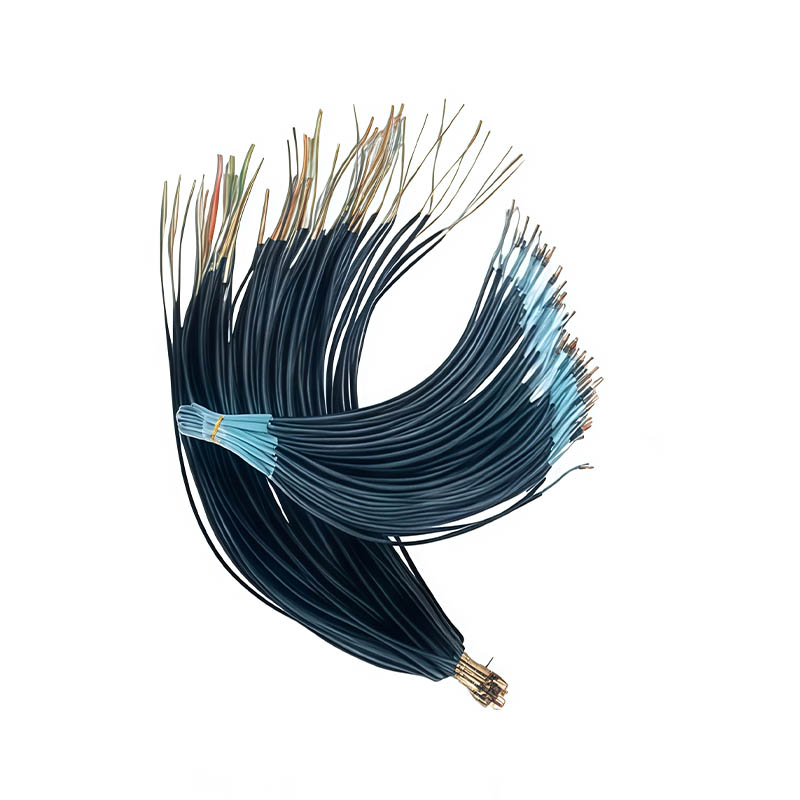
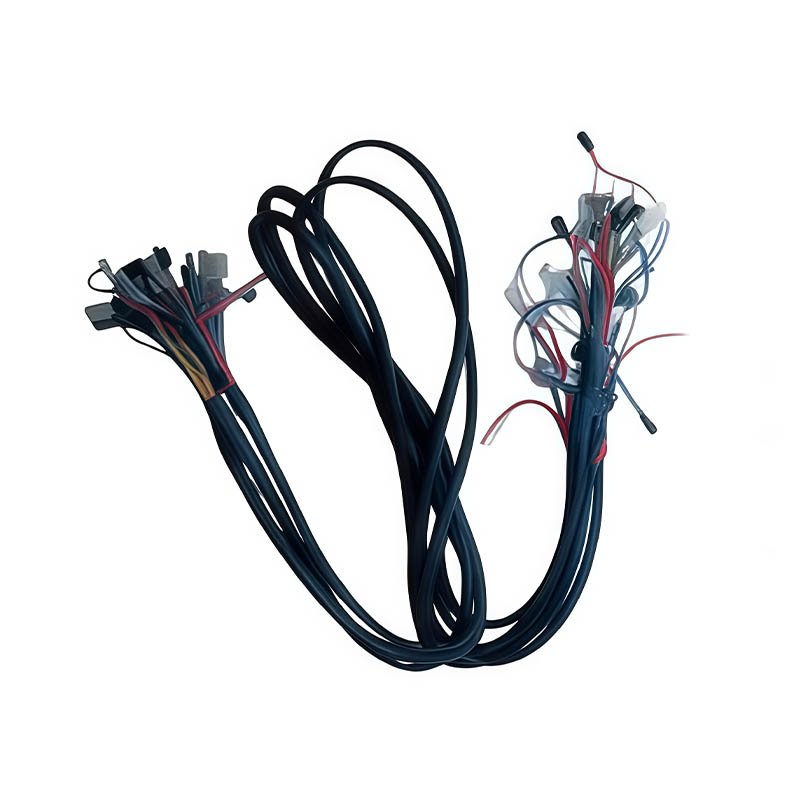
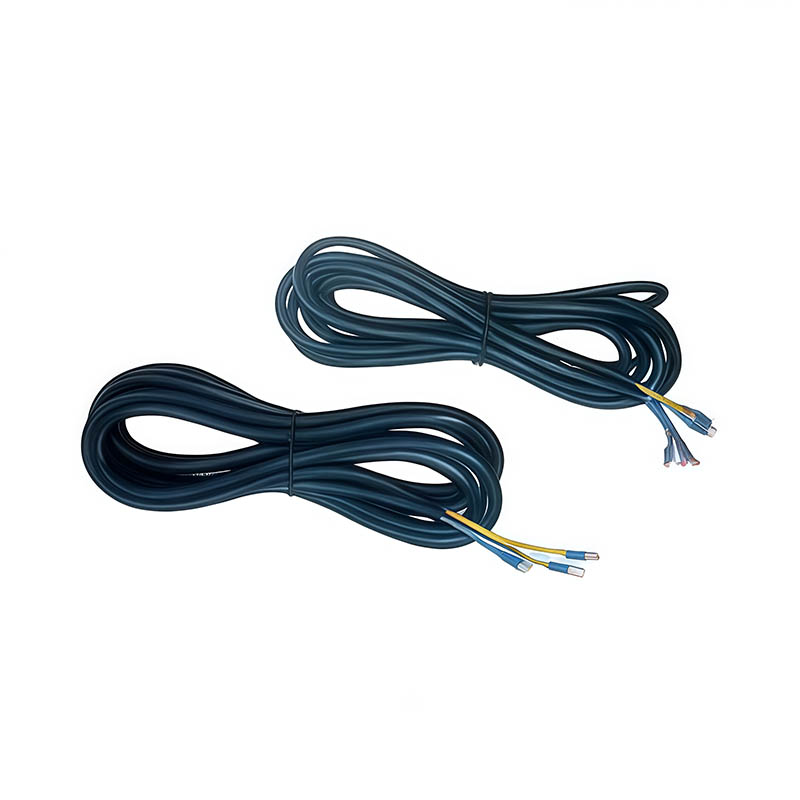
By optimizing the conductor structure and insulation layer design, the Motorcycle Main Cable can maintain good bending ability. Installers can flexibly adjust the wiring according to the frame orientation, making the cable fit the vehicle structure better while reducing unnecessary bending and space occupation.
2. Tensile Strength Design Improves Connection Reliability
Motorcycles generate continuous vibration during operation, and some wiring harnesses may also be subjected to stretching caused by vehicle movement. If the main cable's tensile strength is insufficient, prolonged stress can easily cause internal conductors to loosen or damage to connections.
Therefore, the main cable's overall tensile strength can be improved by strengthening the structural bond between the conductor and the sheath. During installation, even if the line is subjected to a certain degree of tension, the structure can remain intact, thereby reducing the possibility of electrical faults caused by mechanical stress.
3. Multi-layered structure for both protection and bending performance
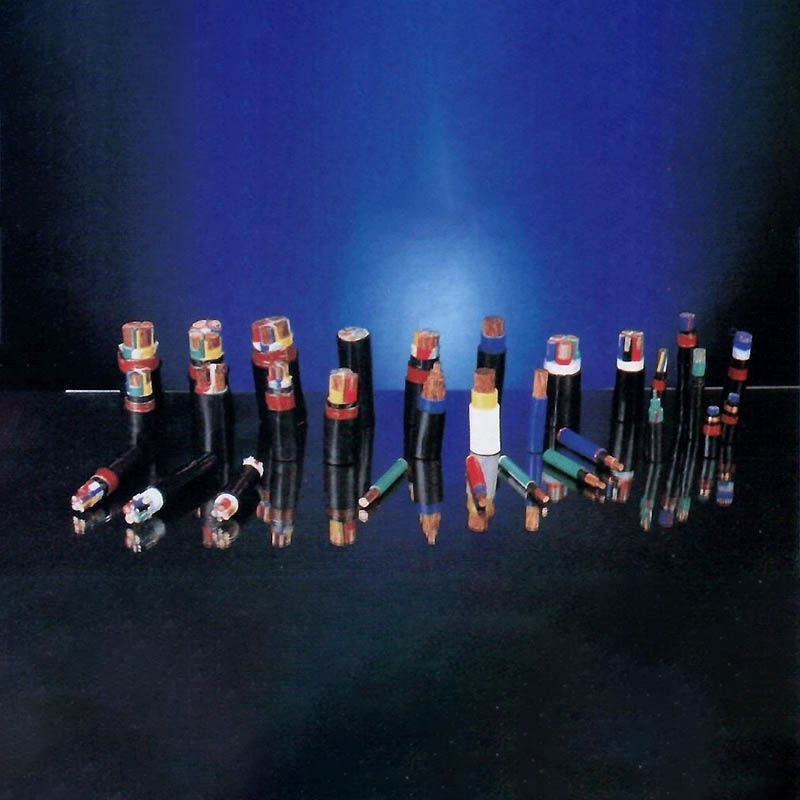
An excellent motorcycle main cable typically requires a reasonable combination between the conductor, insulation layer, and outer sheath. The conductor is responsible for stable current transmission, the insulation layer provides electrical isolation, and the outer sheath primarily copes with friction, vibration, and the effects of the external environment.
By properly controlling the thickness and flexibility of each layer of material, the cable can achieve protection while avoiding excessive stiffness. Especially at frame corners, around the engine, and in the turning area, a balance between bending performance and mechanical strength is necessary.
4. Coping with long-term vibration and friction environments
Motorcycles generate continuous vibration during operation. If the cable is in prolonged contact with the frame or other metal parts, surface wear may occur. Therefore, the main cable not only needs tensile strength but also a certain degree of abrasion resistance.
By using more wear-resistant sheath materials and combining them with reasonable fixing methods, direct friction between the cable and the vehicle body can be reduced. At the same time, reserving appropriate bending space in areas prone to relative movement also reduces the impact of long-term cable fatigue.
5. Flexible Installation Improves Overall Vehicle Wiring Efficiency
The flexible main cable with good tensile strength reduces the difficulty of operation during assembly. Production personnel can adjust the wiring direction according to the frame structure of different vehicle models, making the wiring neater while reducing excessive bending and stretching.
For mass production, this design also improves the consistency of wiring harness assembly, making electrical wiring easier to fix, inspect, and maintain, thus supporting overall vehicle production efficiency.
6. Achieving a Balance Between Performance and Reliability
Overall, to adapt to complex wiring requirements, the Motorcycle Main Cable cannot simply pursue flexibility or increase structural strength alone; rather, it needs to achieve a balance between flexibility, tensile strength, wear resistance, and electrical performance.
Through a reasonable conductor structure, multi-layer insulation protection, and a wear-resistant sheath design, the main cable can more flexibly adapt to the complex internal space of the motorcycle while withstanding vibrations and mechanical stresses during long-term operation. Such products are not only easy to install, but also help improve the stability of the vehicle's electrical system, providing a more solid circuit guarantee for the long-term reliable operation of the motorcycle.
1. Flexible Structure Adapts to Complex Wiring Paths
The spatial structure of different areas of a motorcycle varies significantly, and cables often need to pass through bends, turns, and narrow spaces. If the cable is too stiff, it will not only increase the difficulty of installation but may also create significant local stress over long-term use.
By optimizing the conductor structure and insulation layer design, the Motorcycle Main Cable can maintain good bending ability. Installers can flexibly adjust the wiring according to the frame orientation, making the cable fit the vehicle structure better while reducing unnecessary bending and space occupation.
2. Tensile Strength Design Improves Connection Reliability
Motorcycles generate continuous vibration during operation, and some wiring harnesses may also be subjected to stretching caused by vehicle movement. If the main cable's tensile strength is insufficient, prolonged stress can easily cause internal conductors to loosen or damage to connections.
Therefore, the main cable's overall tensile strength can be improved by strengthening the structural bond between the conductor and the sheath. During installation, even if the line is subjected to a certain degree of tension, the structure can remain intact, thereby reducing the possibility of electrical faults caused by mechanical stress.
3. Multi-layered structure for both protection and bending performance
An excellent motorcycle main cable typically requires a reasonable combination between the conductor, insulation layer, and outer sheath. The conductor is responsible for stable current transmission, the insulation layer provides electrical isolation, and the outer sheath primarily copes with friction, vibration, and the effects of the external environment.
By properly controlling the thickness and flexibility of each layer of material, the cable can achieve protection while avoiding excessive stiffness. Especially at frame corners, around the engine, and in the turning area, a balance between bending performance and mechanical strength is necessary.
4. Coping with long-term vibration and friction environments
Motorcycles generate continuous vibration during operation. If the cable is in prolonged contact with the frame or other metal parts, surface wear may occur. Therefore, the main cable not only needs tensile strength but also a certain degree of abrasion resistance.
By using more wear-resistant sheath materials and combining them with reasonable fixing methods, direct friction between the cable and the vehicle body can be reduced. At the same time, reserving appropriate bending space in areas prone to relative movement also reduces the impact of long-term cable fatigue.
5. Flexible Installation Improves Overall Vehicle Wiring Efficiency
The flexible main cable with good tensile strength reduces the difficulty of operation during assembly. Production personnel can adjust the wiring direction according to the frame structure of different vehicle models, making the wiring neater while reducing excessive bending and stretching.
For mass production, this design also improves the consistency of wiring harness assembly, making electrical wiring easier to fix, inspect, and maintain, thus supporting overall vehicle production efficiency.
6. Achieving a Balance Between Performance and Reliability
Overall, to adapt to complex wiring requirements, the Motorcycle Main Cable cannot simply pursue flexibility or increase structural strength alone; rather, it needs to achieve a balance between flexibility, tensile strength, wear resistance, and electrical performance.
Through a reasonable conductor structure, multi-layer insulation protection, and a wear-resistant sheath design, the main cable can more flexibly adapt to the complex internal space of the motorcycle while withstanding vibrations and mechanical stresses during long-term operation. Such products are not only easy to install, but also help improve the stability of the vehicle's electrical system, providing a more solid circuit guarantee for the long-term reliable operation of the motorcycle.