


What are the applications of Motorcycle Main Cable?
Release Time : 2026-06-12
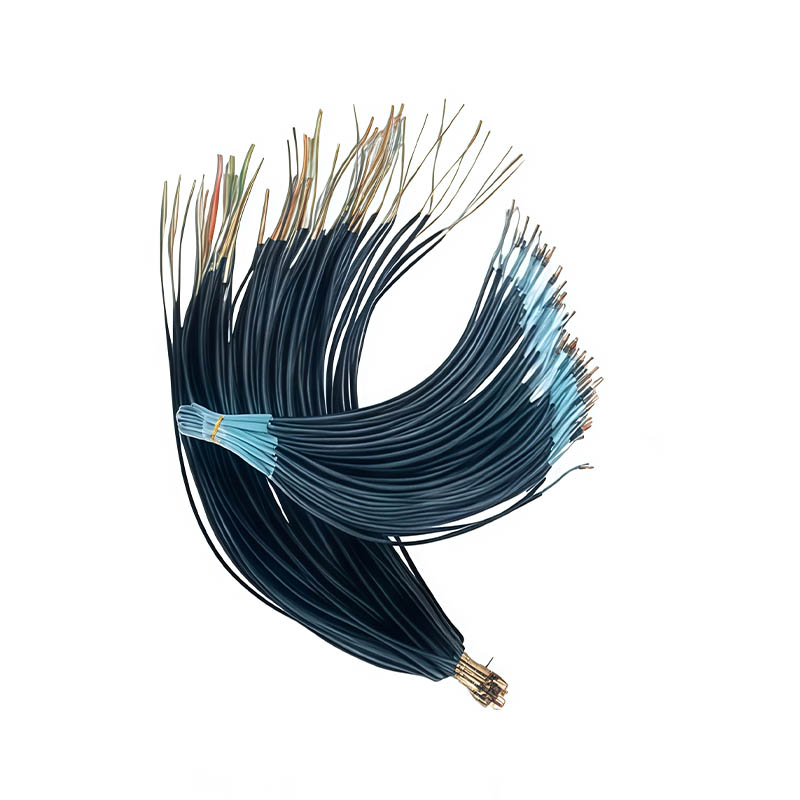
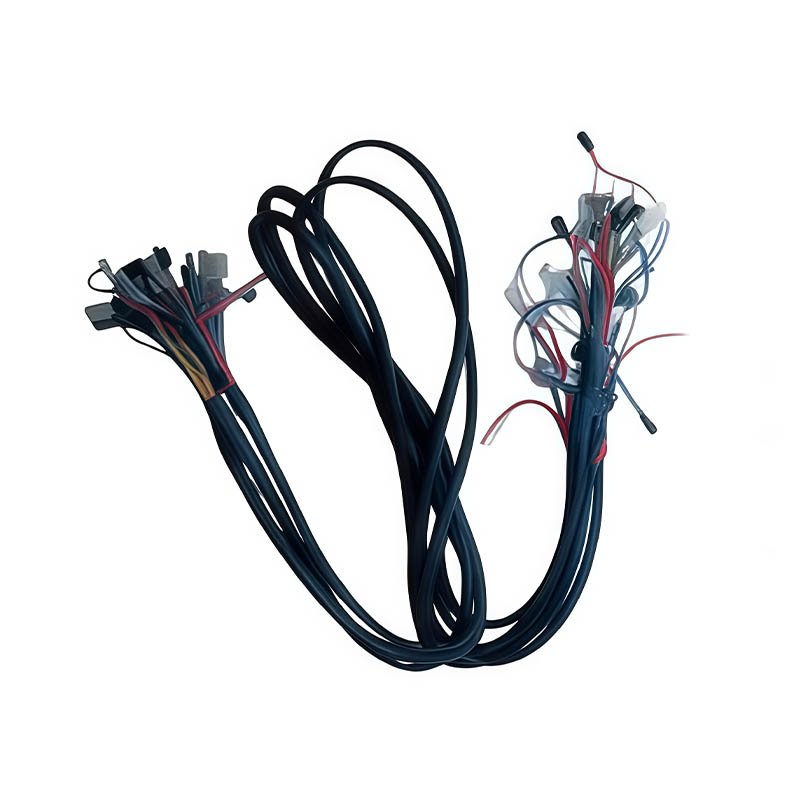
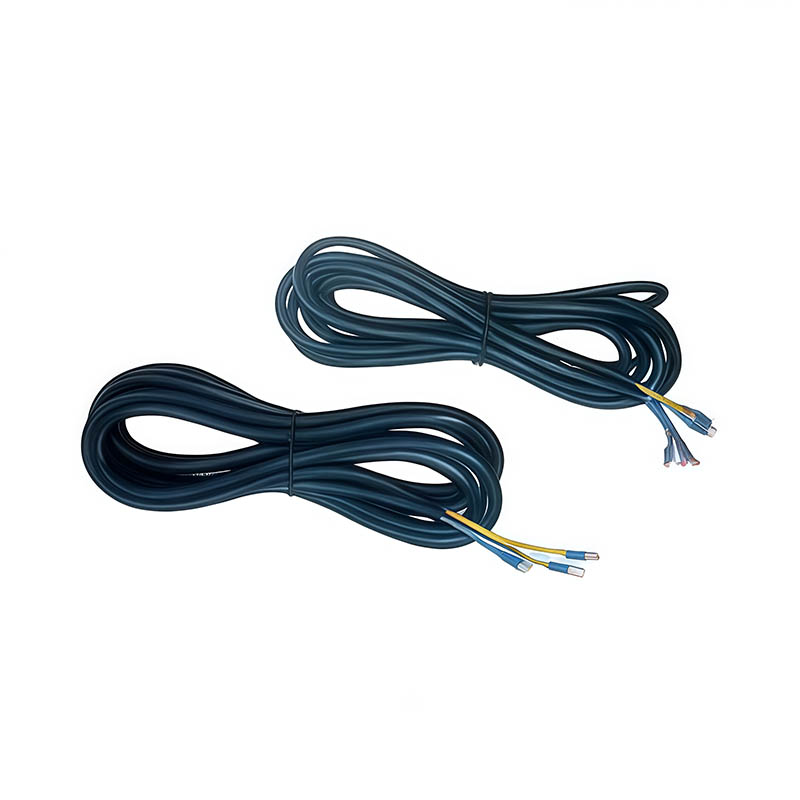
The Motorcycle Main Cable serves as the fundamental vascular system of modern two-wheelers, playing an indispensable role in ensuring safe, reliable, and efficient operation across a wide spectrum of applications. At its core, this specialized wiring harness is responsible for the primary transmission of electrical power and critical data signals throughout the entire vehicle. One of its most vital applications is within the starting and charging systems. The main cable connects the battery to the starter motor, delivering the massive surge of current required to ignite the engine. Simultaneously, it links the alternator or stator to the battery and the rectifier-regulator, ensuring that the electrical system is continuously replenished while the engine is running. Without this robust connection, the motorcycle would be unable to start or maintain its electrical charge.
Beyond engine management, the motorcycle main cable is extensively applied in the lighting and signaling circuits. It routes power to the headlight, taillight, brake light, turn indicators, and dashboard illumination. Because these components are essential for rider visibility and road safety, the main cable must be engineered to withstand severe vibrations, extreme temperature fluctuations, and exposure to moisture without degrading. In modern motorcycles, the application of the main cable has expanded significantly to encompass complex electronic control systems. It acts as the central nervous system, linking the Engine Control Unit (ECU) to various sensors, such as the throttle position sensor, oxygen sensor, and crankshaft position sensor. This high-speed data transmission allows the ECU to precisely manage fuel injection and ignition timing, optimizing both performance and fuel efficiency.
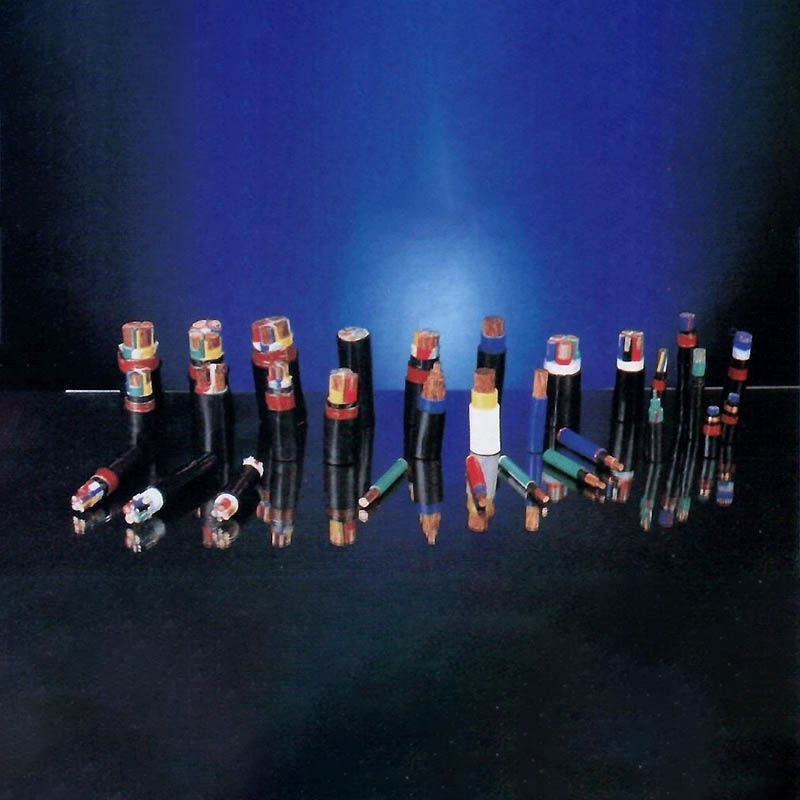
Furthermore, the main cable facilitates the operation of the instrument cluster, providing real-time information to the rider regarding speed, engine RPM, fuel levels, and warning indicators. In advanced models, it also integrates with anti-lock braking systems (ABS), traction control, and ride-by-wire throttle systems, where millisecond-accurate signal transmission is a matter of life and death. The physical construction of the motorcycle main cable is specifically tailored to these demanding applications. Unlike standard household wiring, it utilizes high-strand-count copper conductors to maximize flexibility, allowing it to navigate the tight, complex routing paths within a motorcycle's frame. The insulation is typically composed of cross-linked polyethylene (XLPE) or polyvinyl chloride (PVC), which offers superior resistance to oil, gasoline, and abrasion.
While the primary application of the motorcycle main cable is strictly within the automotive and powersports sectors, the fundamental principles and material technologies behind these cables share similarities with wires used in broader construction and household wiring projects. Both require rigorous adherence to safety standards, precise sizing to handle specific electrical loads, and reliable insulation to prevent short circuits. However, the motorcycle variant is uniquely optimized for dynamic environments. The availability of these cables in various specifications, such as BV, RV, and BVR, highlights the importance of selecting the correct conductor type for specific electrical demands. BV wires, with their solid copper core, are generally suited for fixed installations, whereas RV and BVR wires, featuring multi-stranded flexible cores, are perfectly adapted for the high-vibration environment of a motorcycle chassis.
Ultimately, the application of the motorcycle main cable extends far beyond simple electrical conduction. It represents a critical intersection of electrical engineering, material science, and automotive safety. Every time a rider turns the key, twists the throttle, or applies the brakes, they are relying on the flawless execution of this hidden network. By safely managing the flow of electricity and data in one of the most mechanically demanding environments, the motorcycle main cable ensures that the machine operates as a cohesive, responsive, and safe unit. Its continued evolution, adapting to the increasing electronic complexity of modern motorcycles, underscores its enduring importance in the world of motorized transportation.
Beyond engine management, the motorcycle main cable is extensively applied in the lighting and signaling circuits. It routes power to the headlight, taillight, brake light, turn indicators, and dashboard illumination. Because these components are essential for rider visibility and road safety, the main cable must be engineered to withstand severe vibrations, extreme temperature fluctuations, and exposure to moisture without degrading. In modern motorcycles, the application of the main cable has expanded significantly to encompass complex electronic control systems. It acts as the central nervous system, linking the Engine Control Unit (ECU) to various sensors, such as the throttle position sensor, oxygen sensor, and crankshaft position sensor. This high-speed data transmission allows the ECU to precisely manage fuel injection and ignition timing, optimizing both performance and fuel efficiency.
Furthermore, the main cable facilitates the operation of the instrument cluster, providing real-time information to the rider regarding speed, engine RPM, fuel levels, and warning indicators. In advanced models, it also integrates with anti-lock braking systems (ABS), traction control, and ride-by-wire throttle systems, where millisecond-accurate signal transmission is a matter of life and death. The physical construction of the motorcycle main cable is specifically tailored to these demanding applications. Unlike standard household wiring, it utilizes high-strand-count copper conductors to maximize flexibility, allowing it to navigate the tight, complex routing paths within a motorcycle's frame. The insulation is typically composed of cross-linked polyethylene (XLPE) or polyvinyl chloride (PVC), which offers superior resistance to oil, gasoline, and abrasion.
While the primary application of the motorcycle main cable is strictly within the automotive and powersports sectors, the fundamental principles and material technologies behind these cables share similarities with wires used in broader construction and household wiring projects. Both require rigorous adherence to safety standards, precise sizing to handle specific electrical loads, and reliable insulation to prevent short circuits. However, the motorcycle variant is uniquely optimized for dynamic environments. The availability of these cables in various specifications, such as BV, RV, and BVR, highlights the importance of selecting the correct conductor type for specific electrical demands. BV wires, with their solid copper core, are generally suited for fixed installations, whereas RV and BVR wires, featuring multi-stranded flexible cores, are perfectly adapted for the high-vibration environment of a motorcycle chassis.
Ultimately, the application of the motorcycle main cable extends far beyond simple electrical conduction. It represents a critical intersection of electrical engineering, material science, and automotive safety. Every time a rider turns the key, twists the throttle, or applies the brakes, they are relying on the flawless execution of this hidden network. By safely managing the flow of electricity and data in one of the most mechanically demanding environments, the motorcycle main cable ensures that the machine operates as a cohesive, responsive, and safe unit. Its continued evolution, adapting to the increasing electronic complexity of modern motorcycles, underscores its enduring importance in the world of motorized transportation.