


How Do Multi-Specification Cables Build the Solid Foundation of Modern Electrical Systems?
Release Time : 2026-06-17
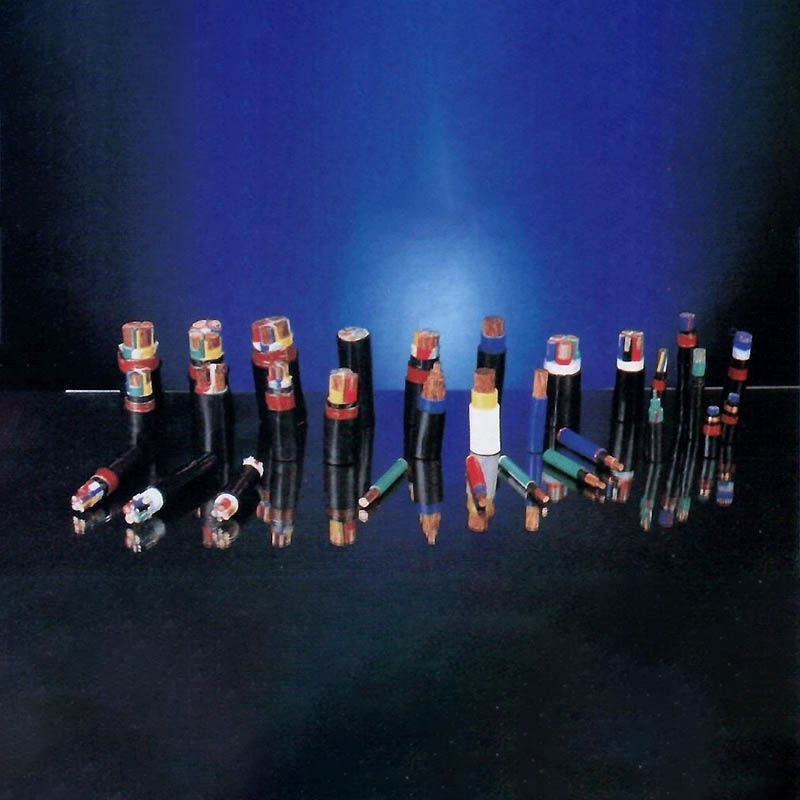
In the grand scheme of modern electrical engineering, electrical wires and cables are like the blood vessels hidden deep within buildings and machinery, continuously supplying the energy that drives society. From skyscrapers in bustling cities to cozy and quiet homes, and even new energy vehicles speeding along the roads, the efficient transmission of electrical energy relies on the support of high-quality cables. Taking electrical wires and cables, encompassing various models such as BV, RV, and BVR, with specifications ranging from 1mm² to 220mm², as an example, they are not only indispensable basic materials in building engineering and home wiring, but also demonstrate extremely high application value and engineering significance in cutting-edge fields such as new energy vehicles. This multi-specification, multi-form cable system, with its excellent conductivity and strong environmental adaptability, is building the solid foundation of modern electrical systems.
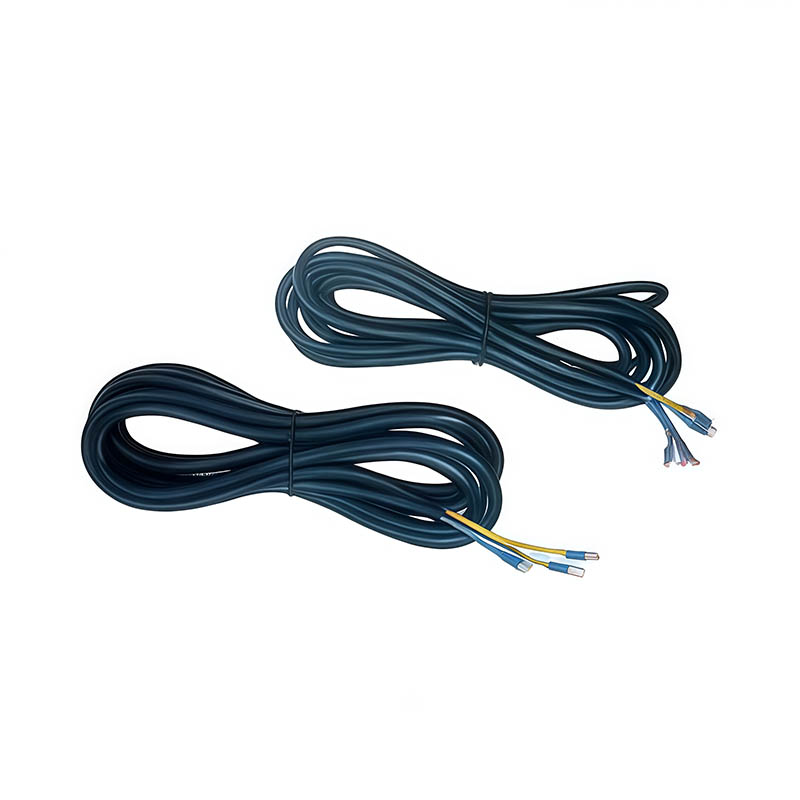
Building engineering and home wiring place extremely stringent requirements on the safety and durability of cables. In this field, BV, BVR, and RV wires, with their unique physical characteristics, undertake different missions. BV wire, as a rigid-core wire, possesses excellent conductivity and high mechanical strength, and is widely used in concealed installations to provide stable and durable power support for buildings. BVR wire, as a flexible-core wire, is composed of multiple strands of fine copper wire, giving it excellent flexibility and making it suitable for complex wiring environments requiring frequent bending or limited space. RV wire, with its even finer twisted structure and extreme flexibility, shines in the internal connections of household appliances and the wiring of mobile devices. From the transmission of weak signals at 1mm² to the transmission of high-power trunk lines at 220mm², this broad specification system ensures that the most suitable power carrier can be found for everything from small lighting circuits to large central air conditioning systems, guaranteeing the safety and efficiency of the entire building's electrical system.
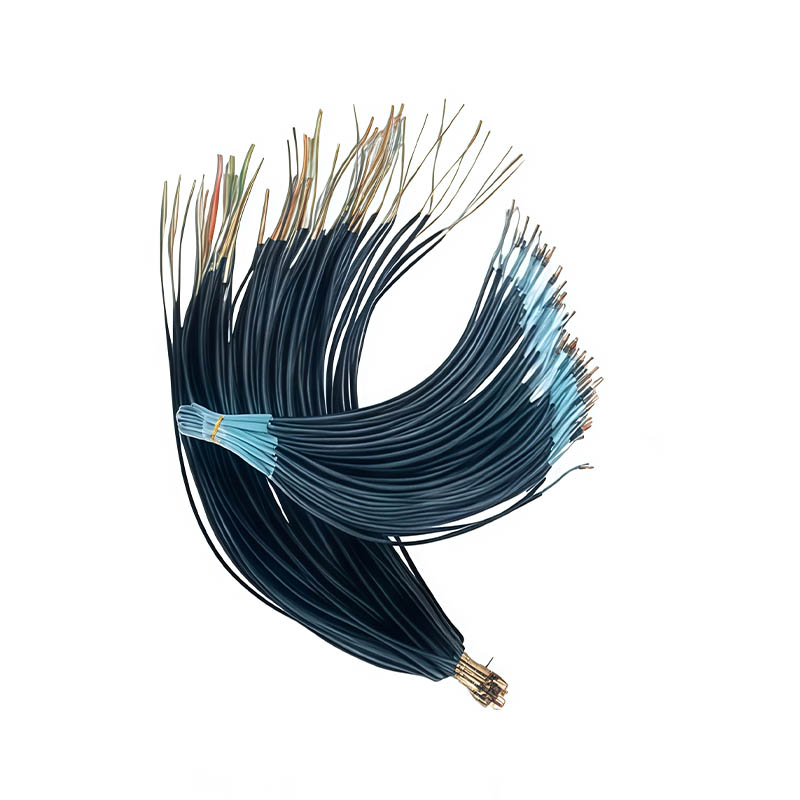
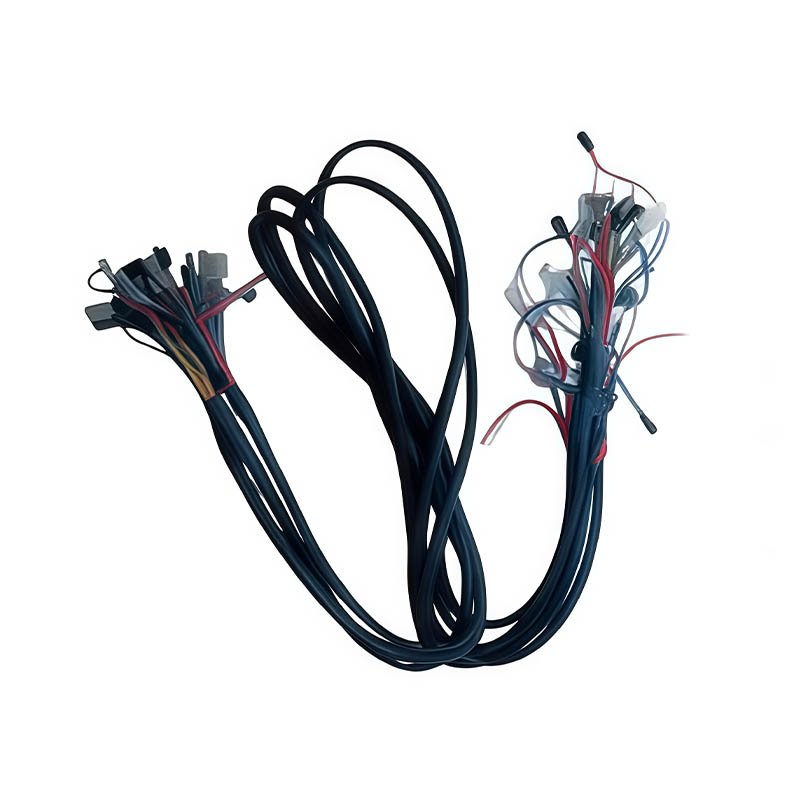
With the booming development of the new energy vehicle industry, the application scenarios of cables have seen unprecedented expansion. In the complex electrical architecture of electric vehicles, while the traditional "main cable" is increasingly replaced by dedicated high-voltage power cables, the multi-core flexible copper stranded wire technology commonly used in building engineering and household wiring has seen significant technological extensions in automotive wiring. The high-voltage system of electric vehicles needs to connect the battery, inverter, and motor, transmitting large currents of up to hundreds of amperes. To cope with the component heating and harsh temperature environments caused by high power consumption, automotive cables extensively use cross-linked polyethylene or silicone rubber, which are resistant to high and low temperatures and flame-retardant. Simultaneously, to meet the wiring requirements within confined spaces, a highly flexible multi-strand stranded conductor design has become crucial. This design not only overcomes high bending forces but also withstands high-frequency cyclic bending and vibration near moving parts such as motors, ensuring absolute safety in power transmission.
Besides excellent conductivity and mechanical properties, modern cables also demonstrate exceptional engineering ingenuity in electromagnetic compatibility and safety protection. In environments with dense high-frequency switching power supply equipment, such as electric vehicles, strong electromagnetic radiation can easily interfere with surrounding components. Therefore, high-density shielding layers using bare copper or copper-plated wire braids have become a core means of suppressing electromagnetic interference and ensuring signal integrity. Meanwhile, to address the safety risks posed by high-voltage systems, the cable uses a striking bright orange color for visual identification, supplemented by high-voltage lightning symbols and warning messages, eliminating the risk of accidental contact at the source. In homes and building projects, rigorous insulation resistance testing and flame-retardant certification also build a robust defense against electrical fires. These comprehensive considerations, from materials science to structural design, collectively ensure the cable's reliability under extreme conditions.
From traditional building wiring to cutting-edge new energy vehicles, from precise control of 1mm² to powerful output of 220mm², the history of wire and cable development is essentially an evolutionary history of humanity's pursuit of efficient and safe energy transmission. The continuous innovation and improvement of specifications for models such as BV, RV, and BVR not only meet the diverse electricity needs of today but also reserve ample development space for a future electrified society. In unseen corners, these resilient and pure metal conductors, silently carrying humanity's endless yearning for light, power, and intelligent living, have become the most indispensable invisible artery of modern civilization.
Building engineering and home wiring place extremely stringent requirements on the safety and durability of cables. In this field, BV, BVR, and RV wires, with their unique physical characteristics, undertake different missions. BV wire, as a rigid-core wire, possesses excellent conductivity and high mechanical strength, and is widely used in concealed installations to provide stable and durable power support for buildings. BVR wire, as a flexible-core wire, is composed of multiple strands of fine copper wire, giving it excellent flexibility and making it suitable for complex wiring environments requiring frequent bending or limited space. RV wire, with its even finer twisted structure and extreme flexibility, shines in the internal connections of household appliances and the wiring of mobile devices. From the transmission of weak signals at 1mm² to the transmission of high-power trunk lines at 220mm², this broad specification system ensures that the most suitable power carrier can be found for everything from small lighting circuits to large central air conditioning systems, guaranteeing the safety and efficiency of the entire building's electrical system.
With the booming development of the new energy vehicle industry, the application scenarios of cables have seen unprecedented expansion. In the complex electrical architecture of electric vehicles, while the traditional "main cable" is increasingly replaced by dedicated high-voltage power cables, the multi-core flexible copper stranded wire technology commonly used in building engineering and household wiring has seen significant technological extensions in automotive wiring. The high-voltage system of electric vehicles needs to connect the battery, inverter, and motor, transmitting large currents of up to hundreds of amperes. To cope with the component heating and harsh temperature environments caused by high power consumption, automotive cables extensively use cross-linked polyethylene or silicone rubber, which are resistant to high and low temperatures and flame-retardant. Simultaneously, to meet the wiring requirements within confined spaces, a highly flexible multi-strand stranded conductor design has become crucial. This design not only overcomes high bending forces but also withstands high-frequency cyclic bending and vibration near moving parts such as motors, ensuring absolute safety in power transmission.
Besides excellent conductivity and mechanical properties, modern cables also demonstrate exceptional engineering ingenuity in electromagnetic compatibility and safety protection. In environments with dense high-frequency switching power supply equipment, such as electric vehicles, strong electromagnetic radiation can easily interfere with surrounding components. Therefore, high-density shielding layers using bare copper or copper-plated wire braids have become a core means of suppressing electromagnetic interference and ensuring signal integrity. Meanwhile, to address the safety risks posed by high-voltage systems, the cable uses a striking bright orange color for visual identification, supplemented by high-voltage lightning symbols and warning messages, eliminating the risk of accidental contact at the source. In homes and building projects, rigorous insulation resistance testing and flame-retardant certification also build a robust defense against electrical fires. These comprehensive considerations, from materials science to structural design, collectively ensure the cable's reliability under extreme conditions.
From traditional building wiring to cutting-edge new energy vehicles, from precise control of 1mm² to powerful output of 220mm², the history of wire and cable development is essentially an evolutionary history of humanity's pursuit of efficient and safe energy transmission. The continuous innovation and improvement of specifications for models such as BV, RV, and BVR not only meet the diverse electricity needs of today but also reserve ample development space for a future electrified society. In unseen corners, these resilient and pure metal conductors, silently carrying humanity's endless yearning for light, power, and intelligent living, have become the most indispensable invisible artery of modern civilization.