


How to enhance the flexibility and reduce conductor fatigue damage of motorcycle main cables under frequent bending installation conditions?
Release Time : 2026-06-03
With the continuous upgrading of motorcycle electrical systems, the motorcycle main cable undertakes important tasks such as engine starting, power transmission, lighting control, and power supply for electronic devices. In practical applications, the main cable often needs to pass through the frame, steering mechanism, and engine area, and is subjected to complex conditions such as vibration, bending, and tension for extended periods.
1. Optimize Conductor Structure to Improve Bending Resistance
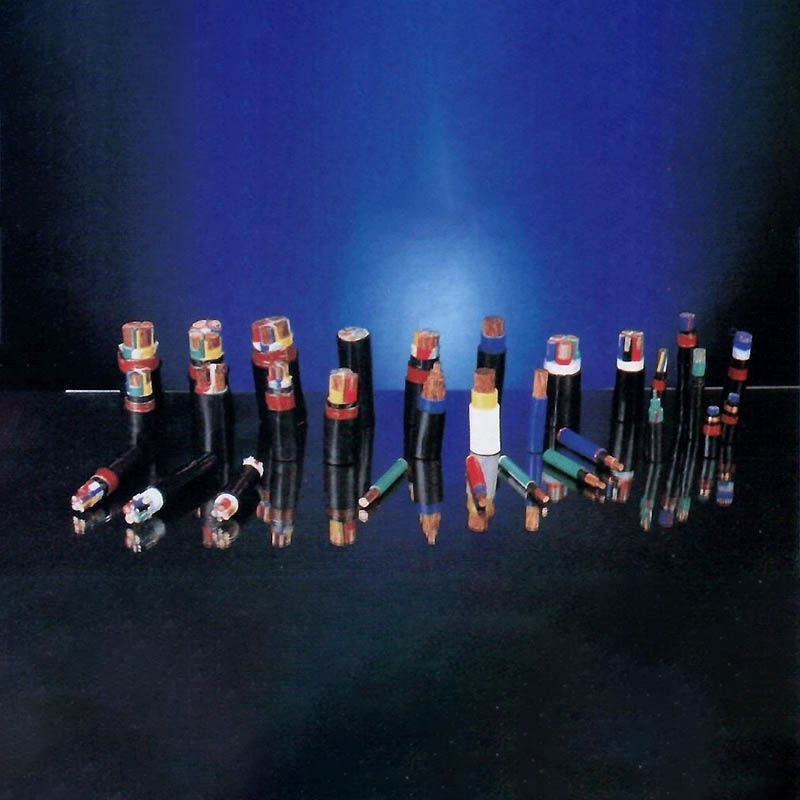
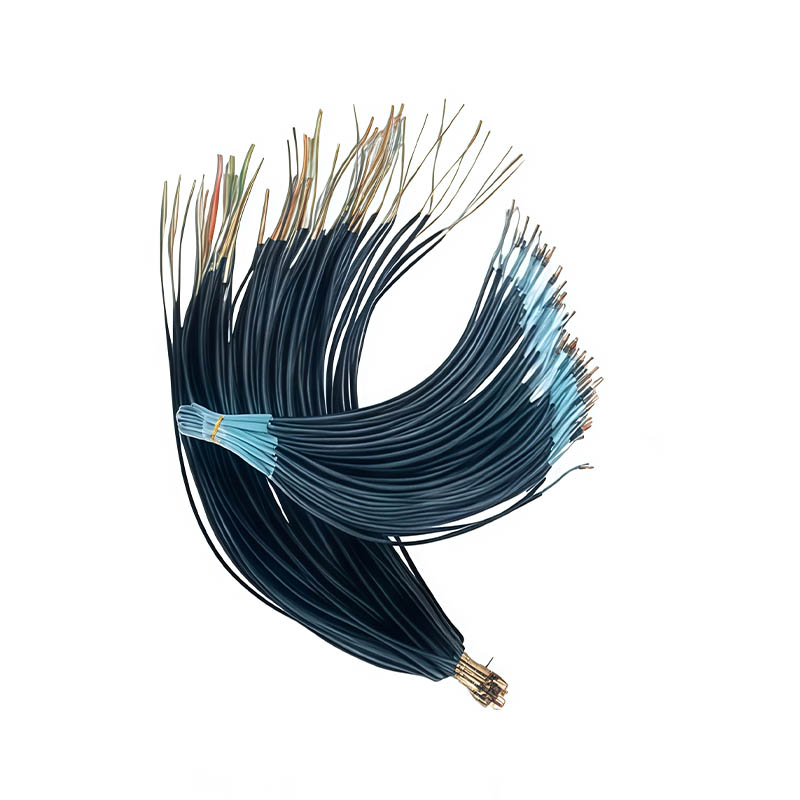
The conductor is the core component of the main cable, and its structural design directly affects the cable's flexibility. While traditional single-strand conductors have stable conductivity, they are prone to stress concentration during repeated bending. To improve fatigue resistance, a multi-strand fine filament stranded structure can be used, allowing the conductor to distribute stress during bending. The more filaments, the better the conductor's flexibility, enabling it to adapt to complex installation paths and reducing the risk of damage from long-term bending.
2. Select High-Flexibility Insulation Materials
Besides the conductor itself, the insulation material also affects the cable's bending performance. If the insulation layer is too rigid, it can easily exert additional pressure on the conductor during repeated bending. Therefore, insulation materials with good flexibility should be selected to allow the cable greater bending freedom while maintaining good insulation performance. A high-quality insulation layer not only reduces mechanical stress transmission but also improves the overall durability of the cable, meeting the long-term usage requirements under complex working conditions.
3. Optimize Harness Layout to Reduce Excessive Bending
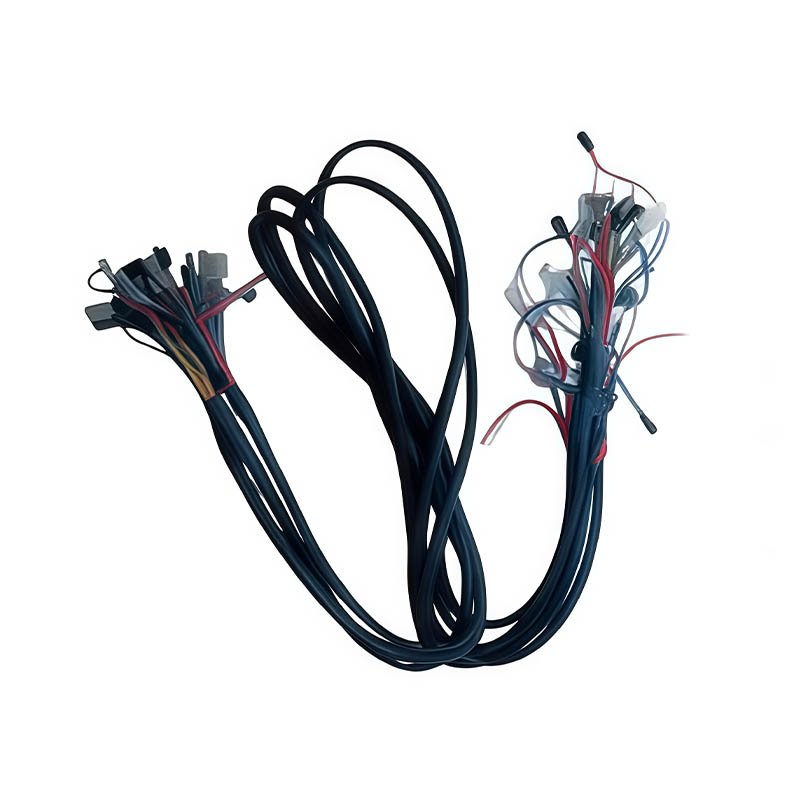
During motorcycle assembly, a reasonable wiring design can effectively reduce the risk of conductor fatigue. If the cable installation path has too small a bending radius or frequent movement areas, the conductor will be continuously subjected to tensile and compressive forces. Therefore, the harness routing needs to be rationally planned according to the vehicle's structural characteristics, avoiding sharp bends and excessive bending as much as possible. At the same time, appropriate space should be reserved near the steering system and moving parts to allow the cable to move naturally and reduce local stress concentration.
4. Strengthen Sheath Protection to Improve Abrasion Resistance
Motorcycles experience continuous vibration and friction during operation. If the cable outer sheath is severely worn, it will not only affect the insulation performance but also accelerate fatigue damage to the internal conductors. Therefore, sheath materials with better abrasion resistance can be used, and protective sleeves or fixing devices can be added to key areas. By reducing the impact of external friction, the integrity of the cable structure can be effectively protected, improving the overall service life.
5. Improve Vibration Resistance Design
Motorcycle engines and road impacts generate continuous vibrations, which constantly act on the main cable. Prolonged vibration can easily lead to micro-cracks inside the conductor, gradually developing into wire breakage. Therefore, it is necessary to reduce cable sway through reasonable fixing methods and adopt installation structures with good buffering performance to reduce the intensity of vibration transmitted to the wiring harness, thereby reducing conductor fatigue accumulation.
6. Strengthen Quality Inspection and Lifespan Verification
To ensure the reliability of the main cable in actual use, a comprehensive quality inspection system needs to be established. Durability tests are conducted on products by simulating long-term bending, vibration, and temperature changes, allowing potential problems to be identified early and designs to be optimized. Rigorously verified cable products can better adapt to complex operating environments, improving the overall vehicle's operational stability and safety.
To improve the flexibility of the motorcycle main cable and reduce conductor fatigue damage, improvements are needed in multiple aspects, including conductor structure optimization, insulation material selection, wiring harness layout design, sheath protection, vibration resistance measures, and quality verification. Through systematic optimization, not only can the cable's lifespan be increased, but the reliability and safety of the entire vehicle's electrical system can also be enhanced, providing strong support for the long-term stable operation of the motorcycle.
1. Optimize Conductor Structure to Improve Bending Resistance
The conductor is the core component of the main cable, and its structural design directly affects the cable's flexibility. While traditional single-strand conductors have stable conductivity, they are prone to stress concentration during repeated bending. To improve fatigue resistance, a multi-strand fine filament stranded structure can be used, allowing the conductor to distribute stress during bending. The more filaments, the better the conductor's flexibility, enabling it to adapt to complex installation paths and reducing the risk of damage from long-term bending.
2. Select High-Flexibility Insulation Materials
Besides the conductor itself, the insulation material also affects the cable's bending performance. If the insulation layer is too rigid, it can easily exert additional pressure on the conductor during repeated bending. Therefore, insulation materials with good flexibility should be selected to allow the cable greater bending freedom while maintaining good insulation performance. A high-quality insulation layer not only reduces mechanical stress transmission but also improves the overall durability of the cable, meeting the long-term usage requirements under complex working conditions.
3. Optimize Harness Layout to Reduce Excessive Bending
During motorcycle assembly, a reasonable wiring design can effectively reduce the risk of conductor fatigue. If the cable installation path has too small a bending radius or frequent movement areas, the conductor will be continuously subjected to tensile and compressive forces. Therefore, the harness routing needs to be rationally planned according to the vehicle's structural characteristics, avoiding sharp bends and excessive bending as much as possible. At the same time, appropriate space should be reserved near the steering system and moving parts to allow the cable to move naturally and reduce local stress concentration.
4. Strengthen Sheath Protection to Improve Abrasion Resistance
Motorcycles experience continuous vibration and friction during operation. If the cable outer sheath is severely worn, it will not only affect the insulation performance but also accelerate fatigue damage to the internal conductors. Therefore, sheath materials with better abrasion resistance can be used, and protective sleeves or fixing devices can be added to key areas. By reducing the impact of external friction, the integrity of the cable structure can be effectively protected, improving the overall service life.
5. Improve Vibration Resistance Design
Motorcycle engines and road impacts generate continuous vibrations, which constantly act on the main cable. Prolonged vibration can easily lead to micro-cracks inside the conductor, gradually developing into wire breakage. Therefore, it is necessary to reduce cable sway through reasonable fixing methods and adopt installation structures with good buffering performance to reduce the intensity of vibration transmitted to the wiring harness, thereby reducing conductor fatigue accumulation.
6. Strengthen Quality Inspection and Lifespan Verification
To ensure the reliability of the main cable in actual use, a comprehensive quality inspection system needs to be established. Durability tests are conducted on products by simulating long-term bending, vibration, and temperature changes, allowing potential problems to be identified early and designs to be optimized. Rigorously verified cable products can better adapt to complex operating environments, improving the overall vehicle's operational stability and safety.
To improve the flexibility of the motorcycle main cable and reduce conductor fatigue damage, improvements are needed in multiple aspects, including conductor structure optimization, insulation material selection, wiring harness layout design, sheath protection, vibration resistance measures, and quality verification. Through systematic optimization, not only can the cable's lifespan be increased, but the reliability and safety of the entire vehicle's electrical system can also be enhanced, providing strong support for the long-term stable operation of the motorcycle.