


How can RV flexible power cables reduce internal resistance loss by improving manufacturing processes?
Release Time : 2026-03-05
As a core component of RV electrical systems, the internal resistance loss of RV flexible power cables directly affects power transmission efficiency and equipment operational stability. Internal resistance loss is primarily determined by conductor material characteristics, processing technology, and structural design. Optimizing the manufacturing process can significantly reduce internal resistance and improve the overall performance of the power cable. The following analysis focuses on seven dimensions: conductor material processing, stranding process optimization, insulation extrusion control, cabling structure improvement, contact resistance management, production process monitoring, and enhanced flexible design.
Conductor material is a fundamental factor influencing internal resistance loss. RV flexible power cables typically use copper or aluminum as conductors, and their purity and crystal structure directly affect conductivity. During production, high-temperature annealing eliminates internal stress in the metal, allowing grains to rearrange and form a uniform structure, thereby reducing electron scattering probability and improving conductivity. Simultaneously, strictly temperature-controlled annealing prevents conductor oxidation, ensuring surface smoothness and reducing contact resistance increases caused by oxide layers. Furthermore, continuous casting and rolling processes maintain conductor material uniformity, preventing localized resistance increases due to cross-sectional differences.
The stranding process is crucial for the flexibility and internal resistance control of the power cable. Twisting multiple single filaments can improve the bending performance of cables, but the gaps between the strands introduce additional resistance. Optimizing the stranding process requires a two-pronged approach: first, using compact stranding technology, where the single filaments are tightly bonded through die extrusion, reducing air gaps and lowering the equivalent resistance; second, designing a layered stranding structure based on current transmission requirements, such as dividing a large cross-section conductor into multiple concentric strands, with the number and diameter of single filaments in each layer calculated and matched to ensure flexibility while avoiding resistance superposition. Irregular stranding methods, such as bundle stranding or compound stranding, can further optimize the current distribution path and reduce resistance loss.
The insulation extrusion process directly affects conductor heat dissipation and resistance stability. During plastic insulation extrusion, eccentricity must be controlled to ensure the insulation layer evenly wraps the conductor, preventing uneven heat dissipation due to localized thinness, which can lead to increased conductor temperature and resistance. Simultaneously, extrusion temperature and speed must be precisely matched to prevent the insulation material from decomposing and generating impurities, which can adhere to the conductor surface and form micro-resistivity points. Furthermore, a high-density insulation layer can prevent moisture intrusion, avoiding resistance increases caused by conductor oxidation and ensuring resistance stability during long-term use.
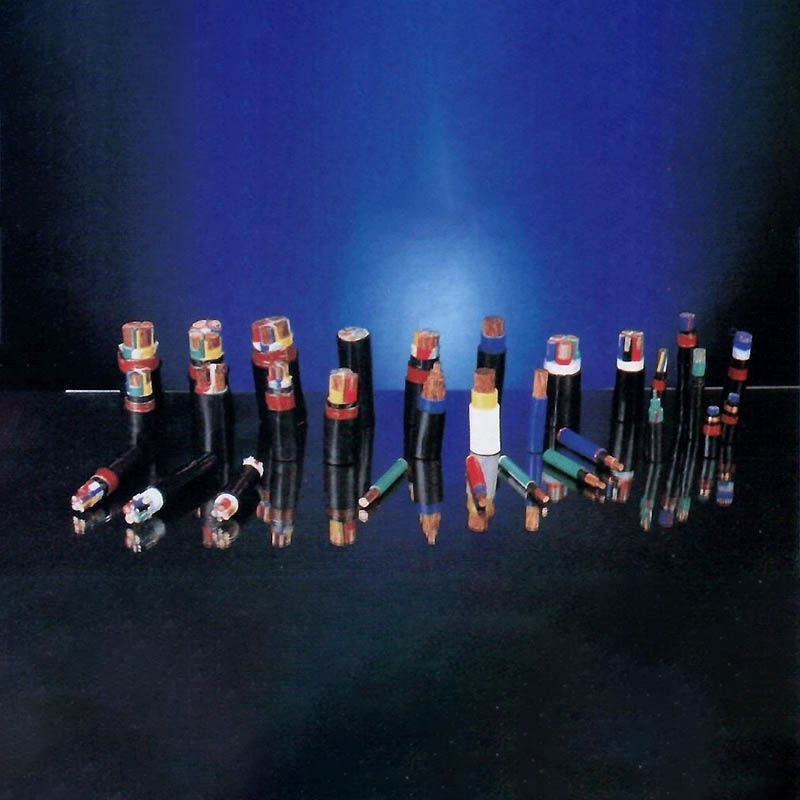
Cabling processes reduce overall internal resistance by optimizing the multi-core cable structure. RV power cables are often multi-core designs, requiring non-metallic fillers during cabling to maintain cable roundness. The density and conductivity of these filler materials affect overall resistance. Using low-resistance filler materials reduces resistance losses in parallel paths and prevents cable deformation caused by inadequate filling, which can lead to localized resistance anomalies. Properly designed cabling pitch balances flexibility and resistance; too small a pitch increases processing difficulty and cost, while too large a pitch can cause internal stress concentration when the cable bends, damaging the conductor structure.
Contact resistance is a significant source of internal resistance loss, especially at power cable joints and connectors. High-precision terminal crimping technology is required during manufacturing to ensure full contact between the terminal and conductor, eliminating resistance concentration caused by point contacts. Crimping dies require regular maintenance to prevent wear and reduced contact area. Furthermore, applying conductive paste to the joint fills microscopic gaps, transforming point contacts into surface contacts and further reducing contact resistance. For connectors used in high-frequency applications, gold or silver plating is necessary to improve surface conductivity and reduce the impact of oxide layers on contact resistance.
Production process monitoring is a crucial step in ensuring resistance control. Real-time monitoring of the resistance value per meter of cable using online resistance testing equipment allows for timely detection of process deviations and parameter adjustments. For example, minute changes in conductor diameter during the wire drawing process can significantly affect resistance, requiring strict control using a laser diameter gauge; temperature fluctuations during the annealing process need real-time feedback using an infrared thermometer to ensure the stability of the conductor's crystalline structure. Furthermore, finished cables undergo withstand voltage testing and resistance sampling to ensure batch-to-batch product resistance consistency meets standards.
Flexible design must balance resistance control with mechanical performance. RV power cables involve frequent bending; excessive flexibility can lead to conductor breakage or increased resistance. Optimizing the conductor structure through simulation analysis, such as using a combination of fine multi-strand strands and highly elastic insulation materials, can maintain flexibility while preventing abnormal resistance. Simultaneously, the outer sheath material must possess abrasion resistance and tear resistance to prevent external damage from exposing the conductor and causing resistance changes. The core of flexible design is balancing mechanical stress and resistance stability to ensure long-term reliable operation in RV usage scenarios.