


How can the shielding design of a motorcycle main cable effectively reduce electromagnetic interference?
Release Time : 2026-03-12
As a core component of the electrical system, the shielding design of the motorcycle main cable is crucial for reducing electromagnetic interference (EMI). EMI not only affects the normal operation of motorcycle electronics but can also interfere with other electronic systems in the surrounding environment. Therefore, a scientifically designed shielding system can effectively suppress the propagation of EMI and improve the overall electromagnetic compatibility (EMC) of the motorcycle.
The shielding design of the motorcycle main cable begins with material selection. Commonly used shielding materials include metal foil, braided metal mesh, and conductive polymers. Metal foil, such as aluminum foil, is lightweight and flexible, making it suitable for covering the outer layer of the cable. Braided metal mesh, made of tin-plated copper or bare copper wire, effectively blocks the intrusion of high-frequency electromagnetic waves. Conductive polymer shielding layers, through their conductivity, form an electromagnetic isolation layer, reducing the penetration of interference signals. The selection of these materials must comprehensively consider factors such as the motorcycle's operating environment, the frequency range of electromagnetic interference, and cost.
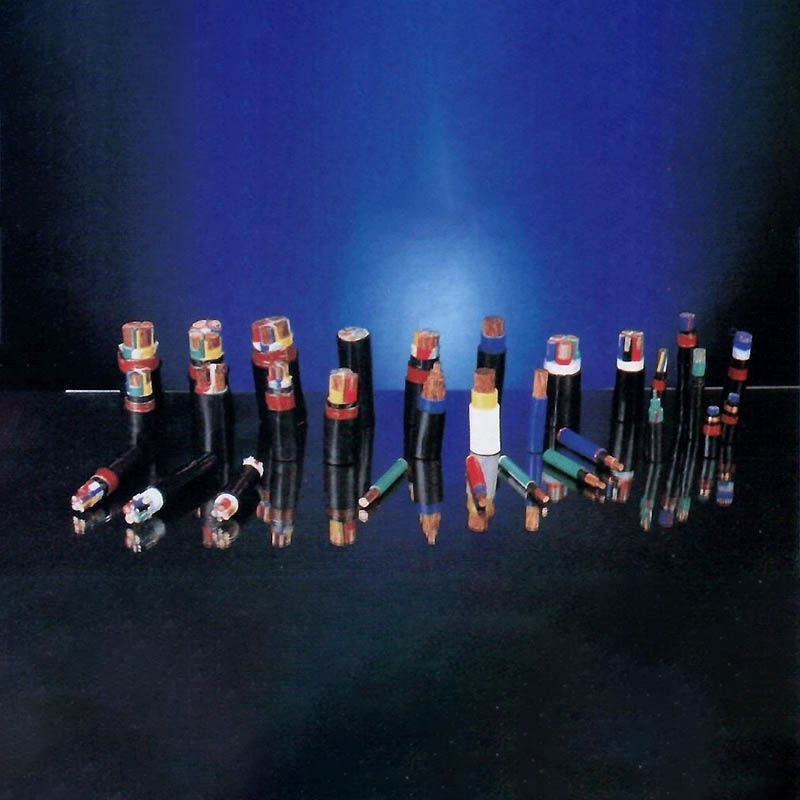
The structural design of the shielding layer is key to reducing EMI. Motorcycle main cables typically employ a multi-layer shielding structure, that is, wrapping one or more shielding layers around the conductor and insulation layer. Multi-layer shielding creates multiple layers of electromagnetic isolation, effectively blocking electromagnetic interference from different frequency ranges. For example, the inner shielding layer can shield against high-frequency interference, while the outer shielding layer can block low-frequency interference. Furthermore, the shielding layer and conductor must maintain equipotential and make good contact through the insulation layer to avoid partial discharge, thereby reducing electromagnetic interference.
Proper grounding of the shielding layer is crucial for improving shielding effectiveness. Grounding the shielding layer directs interference current to the ground, preventing it from forming loops within the cable and thus reducing the propagation of electromagnetic interference. Grounding must ensure low grounding resistance to effectively guide interference current; simultaneously, the grounding connection must be firm and reliable to avoid increased grounding resistance due to poor contact. In addition, the formation of grounding loops must be prevented to reduce interference with other equipment. For motorcycle main cables, a single-end grounding method is typically used, meaning the shielding layer is grounded only at one end of the cable, while the other end is left unconnected and insulated to avoid the influence of ground loop currents.
The shielding design of the motorcycle main cable must also consider electromagnetic compatibility with other components. For example, shielded connectors or shielded joints must be used at the connections between the cable and components such as the electronic control unit (ECU) and sensors to ensure the continuity of the shielding layer. Meanwhile, the cable layout must avoid close parallel placement with high-voltage lines, ignition systems, and other strong electromagnetic interference sources to reduce coupling effects. In the overall motorcycle design, the electrical system must be zoned to isolate sensitive electronic equipment from interference sources, reducing the risk of electromagnetic interference.
The shielding design of the motorcycle main cable must also consider weather resistance and durability. Motorcycles are exposed to outdoor environments for extended periods, enduring sunlight, rain, and temperature fluctuations. Therefore, the shielding material must possess excellent corrosion resistance, aging resistance, and temperature resistance to ensure stable shielding performance over long-term use. Furthermore, the cable's mechanical strength must meet the requirements of vibration and impact during motorcycle operation to prevent shielding failure due to mechanical damage.
The shielding design of the motorcycle main cable must also comply with relevant industry standards and regulations. Different countries and regions have specific regulations regarding the electromagnetic compatibility of motorcycles, such as the EU's CE certification and the US's FCC certification. These certifications require the motorcycle to operate normally in specific electromagnetic environments without causing electromagnetic interference to other equipment. Therefore, during the shielding design process, testing and verification must be strictly carried out in accordance with relevant standards to ensure that the shielding performance of the motorcycle main cable meets regulatory requirements.
The shielding design of the motorcycle main cable is a systematic project that requires comprehensive consideration of multiple aspects, including material selection, structural design, grounding method, electromagnetic compatibility, weather resistance, and regulatory compliance. Through a scientifically sound and reasonable shielding design, the impact of electromagnetic interference on the motorcycle's electronic equipment can be effectively reduced, improving the overall performance and safety of the motorcycle.