


How does RV flexible power cable ensure stable and uninterrupted power supply during bumpy rides?
Release Time : 2026-02-20
In RV travel, a stable power supply is fundamental to ensuring comfort. From lighting systems to kitchen appliances, from air conditioning to charging ports, RVs have numerous electrical devices with varying power ratings. However, the continuous bumps, frequent bending and movement during vehicle travel, and changes in the outdoor environment all pose significant challenges to the reliability of power cables. RV flexible power cable, with its special design and manufacturing process, is a key guarantee for stable power supply during bumpy rides.
1. Conductor Material: The Fatigue-Resistant Foundation of High-Flexibility Copper Core
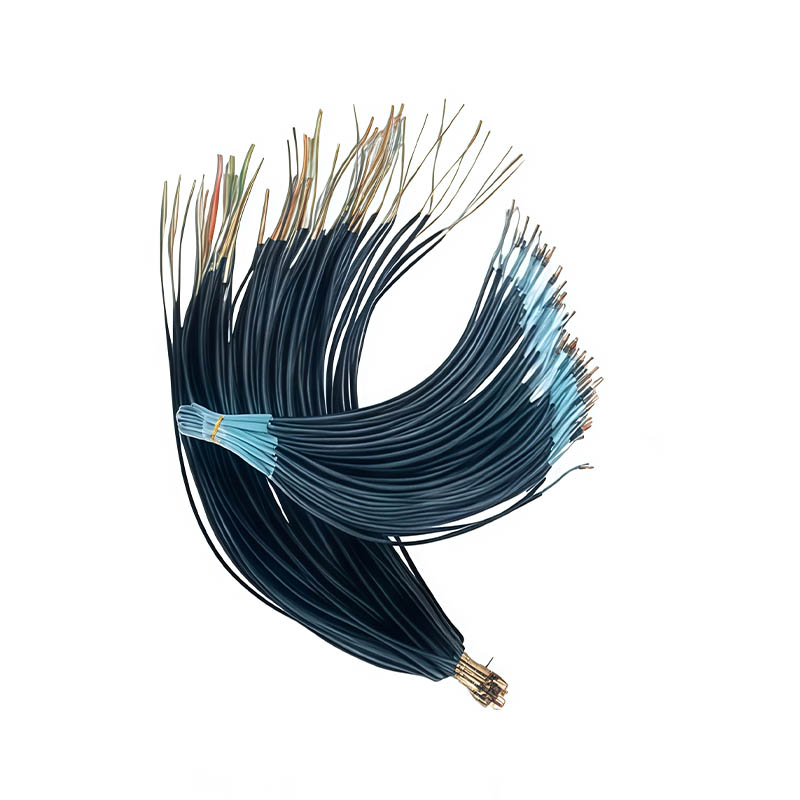
The core of RV flexible power cable lies in the selection of conductor materials. High-quality products use oxygen-free copper wire stranded conductors. Compared to the single-strand thick copper wire of ordinary power cables, this fine stranded design can withstand more than 100,000 bending cycles without breaking. The conductor surface is tin-plated to enhance oxidation resistance and prevent the copper wire from hardening due to oxidation, which would reduce flexibility. The high-flexibility copper core gives the power cable vibration and bending resistance from the source, laying the material foundation for stable power supply.
2. Structural Design: Multi-layered Protection Against Mechanical Stress
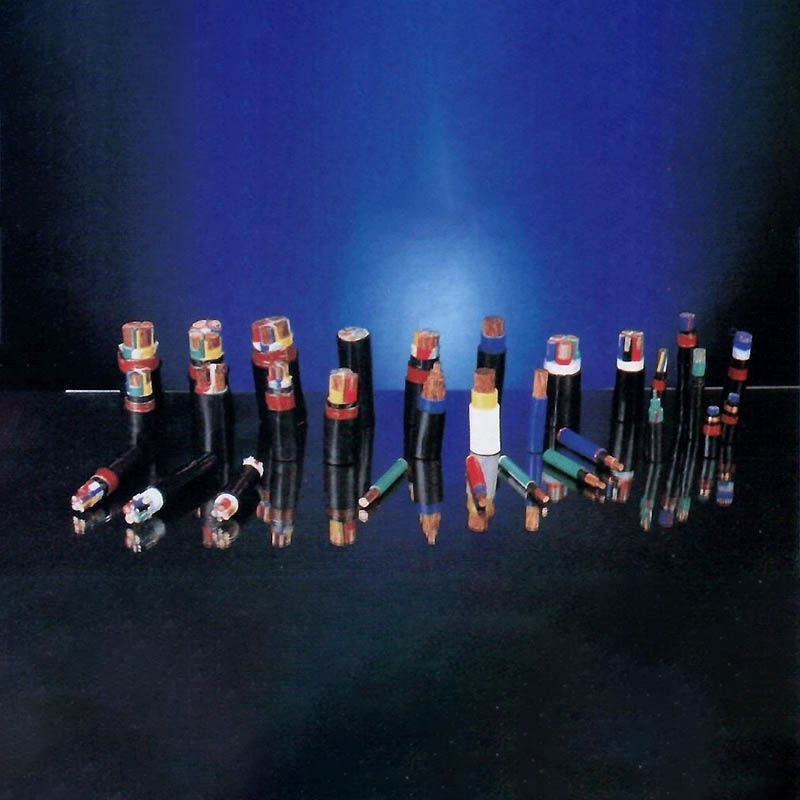
The RV power cable employs a multi-layered composite structure, with each layer providing different protective functions. The conductor is wrapped in an insulation layer, typically made of TPE or TPU elastomer material, offering excellent bending resistance. A braided shielding layer, composed of tinned copper wire or aluminum foil, is installed outside the insulation layer, providing shielding effectiveness of over 80dB and reducing electromagnetic interference. The outermost layer is a sheath layer, made of wear-resistant, oil-resistant, and weather-resistant polyurethane or rubber material, with a thickness of 1.5 to 2.5mm, resisting friction, compression, and impact. Some high-end products also add an aramid fiber reinforcement layer between the insulation and sheath layers, increasing tensile strength by over 50% and preventing internal conductor breakage due to pulling.
3. Connection Technology: Reliable Locking of Plugs and Sockets
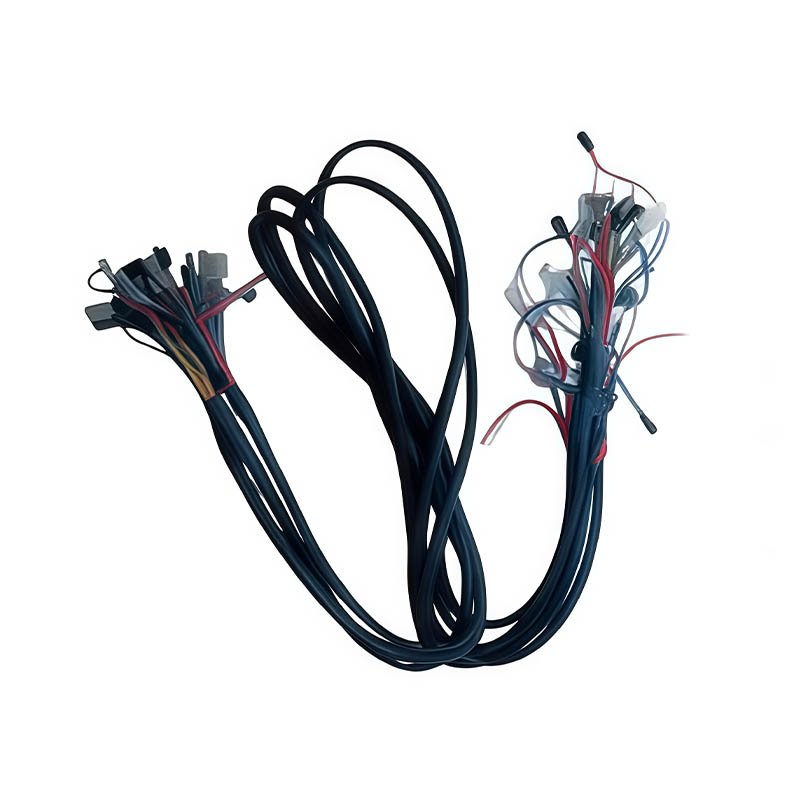
The connection point between the power cable and the RV is a high-risk location for power outages. The RV flexible power cable is equipped with a dedicated industrial-grade plug and socket, using a snap-on or threaded locking structure to prevent loosening and detachment due to vehicle vibration. The plug's internal conductors and terminals utilize a combined crimping and welding process, reducing heat generation and voltage drop. Some products also feature a stress-relief structure with a rubber sheath at the plug base to distribute bending stress and prevent fatigue fracture of the wires at the connection point. Waterproof rating reaches IP67 or higher, ensuring no short circuit or leakage even in rainy conditions.
4. Protective Performance: Comprehensive Adaptability to Outdoor Environments
RVs operate in complex and variable environments, requiring power cords with excellent protective performance. The sheath material is specially formulated to maintain flexibility within a temperature range of -40℃ to 90℃, without hardening at low temperatures or softening at high temperatures. An added UV absorber ensures that the tensile strength retention exceeds 85% after 1000 hours of outdoor exposure. The sheath is waterproof, oil-proof, and resistant to acid and alkali corrosion, resisting erosion from common media such as rainwater, gasoline, and cleaning agents. Some products also use flame-retardant materials with an oxygen index of over 32, self-extinguishing upon contact with fire and reducing fire risk. This comprehensive protection ensures the power cord operates stably in harsh outdoor environments for extended periods.
5. Safety Protection: Active Protection Against Overload and Short Circuits
Stable power supply requires not only reliable physical connections but also electrical safety protection. RV flexible power cables are typically used in conjunction with distribution boxes and incorporate built-in overload and leakage current protectors. When the current exceeds the rated value, the protector automatically cuts off the power supply to prevent the cable from overheating and catching fire. Leakage protection responds within 0.03 seconds, ensuring personal safety. Some high-end products also integrate temperature sensors inside the power cord to monitor cable temperature in real time, triggering an alarm through the vehicle's onboard system in case of abnormalities. This active protection mechanism minimizes the risk of power outages and ensures electrical safety.
RV flexible power cables utilize six key elements—highly flexible conductor materials, multi-layered protective structure design, reliable connection technology, comprehensive protection performance, active safety protection, and rigorous testing and verification—to construct a complete system ensuring stable power supply even during bumpy conditions.
1. Conductor Material: The Fatigue-Resistant Foundation of High-Flexibility Copper Core
The core of RV flexible power cable lies in the selection of conductor materials. High-quality products use oxygen-free copper wire stranded conductors. Compared to the single-strand thick copper wire of ordinary power cables, this fine stranded design can withstand more than 100,000 bending cycles without breaking. The conductor surface is tin-plated to enhance oxidation resistance and prevent the copper wire from hardening due to oxidation, which would reduce flexibility. The high-flexibility copper core gives the power cable vibration and bending resistance from the source, laying the material foundation for stable power supply.
2. Structural Design: Multi-layered Protection Against Mechanical Stress
The RV power cable employs a multi-layered composite structure, with each layer providing different protective functions. The conductor is wrapped in an insulation layer, typically made of TPE or TPU elastomer material, offering excellent bending resistance. A braided shielding layer, composed of tinned copper wire or aluminum foil, is installed outside the insulation layer, providing shielding effectiveness of over 80dB and reducing electromagnetic interference. The outermost layer is a sheath layer, made of wear-resistant, oil-resistant, and weather-resistant polyurethane or rubber material, with a thickness of 1.5 to 2.5mm, resisting friction, compression, and impact. Some high-end products also add an aramid fiber reinforcement layer between the insulation and sheath layers, increasing tensile strength by over 50% and preventing internal conductor breakage due to pulling.
3. Connection Technology: Reliable Locking of Plugs and Sockets
The connection point between the power cable and the RV is a high-risk location for power outages. The RV flexible power cable is equipped with a dedicated industrial-grade plug and socket, using a snap-on or threaded locking structure to prevent loosening and detachment due to vehicle vibration. The plug's internal conductors and terminals utilize a combined crimping and welding process, reducing heat generation and voltage drop. Some products also feature a stress-relief structure with a rubber sheath at the plug base to distribute bending stress and prevent fatigue fracture of the wires at the connection point. Waterproof rating reaches IP67 or higher, ensuring no short circuit or leakage even in rainy conditions.
4. Protective Performance: Comprehensive Adaptability to Outdoor Environments
RVs operate in complex and variable environments, requiring power cords with excellent protective performance. The sheath material is specially formulated to maintain flexibility within a temperature range of -40℃ to 90℃, without hardening at low temperatures or softening at high temperatures. An added UV absorber ensures that the tensile strength retention exceeds 85% after 1000 hours of outdoor exposure. The sheath is waterproof, oil-proof, and resistant to acid and alkali corrosion, resisting erosion from common media such as rainwater, gasoline, and cleaning agents. Some products also use flame-retardant materials with an oxygen index of over 32, self-extinguishing upon contact with fire and reducing fire risk. This comprehensive protection ensures the power cord operates stably in harsh outdoor environments for extended periods.
5. Safety Protection: Active Protection Against Overload and Short Circuits
Stable power supply requires not only reliable physical connections but also electrical safety protection. RV flexible power cables are typically used in conjunction with distribution boxes and incorporate built-in overload and leakage current protectors. When the current exceeds the rated value, the protector automatically cuts off the power supply to prevent the cable from overheating and catching fire. Leakage protection responds within 0.03 seconds, ensuring personal safety. Some high-end products also integrate temperature sensors inside the power cord to monitor cable temperature in real time, triggering an alarm through the vehicle's onboard system in case of abnormalities. This active protection mechanism minimizes the risk of power outages and ensures electrical safety.
RV flexible power cables utilize six key elements—highly flexible conductor materials, multi-layered protective structure design, reliable connection technology, comprehensive protection performance, active safety protection, and rigorous testing and verification—to construct a complete system ensuring stable power supply even during bumpy conditions.