


Why is a high-quality main cable essential for electric vehicles?
Release Time : 2026-05-21
In the rapidly evolving landscape of modern transportation, electric vehicles (EVs) have emerged as the cornerstone of sustainable mobility. While consumers often focus on battery capacity, horsepower, and autonomous driving features, there is an unsung hero working tirelessly behind the scenes to ensure these machines operate safely and efficiently: the high-quality main cable. Often referred to as the vehicle's "vascular system," the main high-voltage cable is responsible for transmitting massive amounts of electrical energy from the battery pack to the motor, inverter, and other critical components. Its quality is not merely a manufacturing detail; it is a fundamental determinant of the vehicle's safety, performance, longevity, and overall reliability.
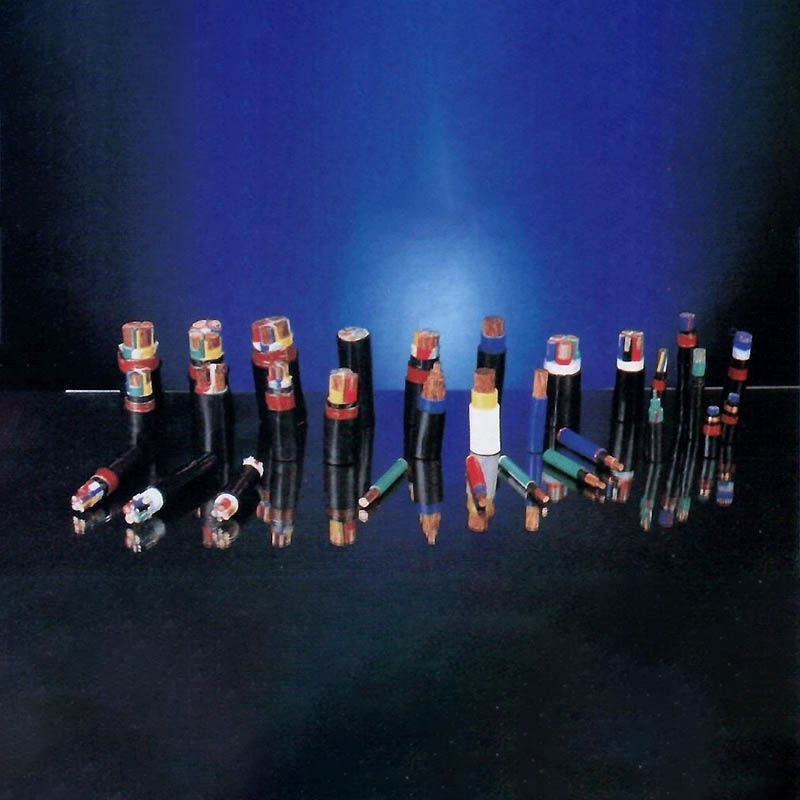
The most critical reason for prioritizing high-quality main cables is passenger and vehicle safety. Unlike traditional internal combustion engine vehicles that rely primarily on low-voltage 12V systems, electric vehicles operate on high-voltage platforms, typically ranging from 400V to 800V or even higher. These systems carry immense current, sometimes exceeding 400 amperes during rapid acceleration or fast charging. A substandard cable with poor insulation or inadequate shielding poses severe risks, including short circuits, electrical arcing, and catastrophic thermal runaway fires. Premium cables are engineered with multi-layered shielding—often utilizing dense copper braiding and aluminum foil—to contain electromagnetic interference (EMI). This prevents high-frequency noise generated by the powertrain from disrupting sensitive onboard electronics and ensures the electrical system remains stable under extreme loads.
Beyond safety, the quality of the main cable directly dictates the energy efficiency and driving range of an electric vehicle. Electrical resistance within a conductor generates heat, representing wasted energy that fails to reach the wheels. High-quality cables utilize high-purity, oxygen-free copper conductors which offer superior conductivity and significantly lower electrical resistance compared to inferior metals or impure alloys. By minimizing resistive losses, these cables ensure that a greater percentage of the stored battery energy is effectively converted into kinetic energy. Furthermore, premium cables are designed with exceptional thermal management capabilities. They can withstand continuous high operating temperatures—often rated for 125°C to 150°C—without their insulation degrading. This thermal resilience is vital during high-power DC fast charging, where poor heat dissipation could otherwise lead to melting insulation and system failure.
Durability and mechanical resilience are equally important factors that define the necessity of high-quality cabling. An automobile is subjected to a harsh dynamic environment characterized by constant vibration, twisting forces, exposure to road salts, oils, coolants, and extreme weather fluctuations. A main cable must endure these conditions for the entire lifecycle of the vehicle, which can span over a decade or hundreds of thousands of kilometers. High-grade cables feature robust outer jackets made from advanced materials like cross-linked polyethylene (XLPE) or specialized elastomers. These materials provide outstanding resistance to abrasion, chemicals, and environmental aging. They prevent the conductor from fracturing due to metal fatigue caused by continuous vehicle vibration, ensuring a reliable connection between the battery and the drivetrain regardless of road conditions.
Finally, the use of high-quality main cables significantly reduces long-term ownership costs and enhances the vehicle's resale value. While cutting corners on wiring might reduce initial manufacturing expenses, it inevitably leads to premature failures, expensive recalls, and diminished consumer trust. Reliable cabling minimizes the risk of unexpected breakdowns and costly warranty repairs related to the high-voltage system. As the automotive industry shifts its focus from pure cost competition to safety and quality competition, the integrity of the electrical architecture has become a key indicator of a vehicle's worth. A car equipped with certified, rigorously tested, and durable high-voltage cabling assures owners of its structural soundness, thereby protecting their investment and solidifying the brand's reputation for engineering excellence. In essence, the humble main cable is the lifeline of the electric vehicle, silently guaranteeing that every journey is safe, efficient, and dependable.
The most critical reason for prioritizing high-quality main cables is passenger and vehicle safety. Unlike traditional internal combustion engine vehicles that rely primarily on low-voltage 12V systems, electric vehicles operate on high-voltage platforms, typically ranging from 400V to 800V or even higher. These systems carry immense current, sometimes exceeding 400 amperes during rapid acceleration or fast charging. A substandard cable with poor insulation or inadequate shielding poses severe risks, including short circuits, electrical arcing, and catastrophic thermal runaway fires. Premium cables are engineered with multi-layered shielding—often utilizing dense copper braiding and aluminum foil—to contain electromagnetic interference (EMI). This prevents high-frequency noise generated by the powertrain from disrupting sensitive onboard electronics and ensures the electrical system remains stable under extreme loads.
Beyond safety, the quality of the main cable directly dictates the energy efficiency and driving range of an electric vehicle. Electrical resistance within a conductor generates heat, representing wasted energy that fails to reach the wheels. High-quality cables utilize high-purity, oxygen-free copper conductors which offer superior conductivity and significantly lower electrical resistance compared to inferior metals or impure alloys. By minimizing resistive losses, these cables ensure that a greater percentage of the stored battery energy is effectively converted into kinetic energy. Furthermore, premium cables are designed with exceptional thermal management capabilities. They can withstand continuous high operating temperatures—often rated for 125°C to 150°C—without their insulation degrading. This thermal resilience is vital during high-power DC fast charging, where poor heat dissipation could otherwise lead to melting insulation and system failure.
Durability and mechanical resilience are equally important factors that define the necessity of high-quality cabling. An automobile is subjected to a harsh dynamic environment characterized by constant vibration, twisting forces, exposure to road salts, oils, coolants, and extreme weather fluctuations. A main cable must endure these conditions for the entire lifecycle of the vehicle, which can span over a decade or hundreds of thousands of kilometers. High-grade cables feature robust outer jackets made from advanced materials like cross-linked polyethylene (XLPE) or specialized elastomers. These materials provide outstanding resistance to abrasion, chemicals, and environmental aging. They prevent the conductor from fracturing due to metal fatigue caused by continuous vehicle vibration, ensuring a reliable connection between the battery and the drivetrain regardless of road conditions.
Finally, the use of high-quality main cables significantly reduces long-term ownership costs and enhances the vehicle's resale value. While cutting corners on wiring might reduce initial manufacturing expenses, it inevitably leads to premature failures, expensive recalls, and diminished consumer trust. Reliable cabling minimizes the risk of unexpected breakdowns and costly warranty repairs related to the high-voltage system. As the automotive industry shifts its focus from pure cost competition to safety and quality competition, the integrity of the electrical architecture has become a key indicator of a vehicle's worth. A car equipped with certified, rigorously tested, and durable high-voltage cabling assures owners of its structural soundness, thereby protecting their investment and solidifying the brand's reputation for engineering excellence. In essence, the humble main cable is the lifeline of the electric vehicle, silently guaranteeing that every journey is safe, efficient, and dependable.