


How do air conditioner connection cables ensure stable power transmission?
Release Time : 2026-05-14
Air conditioning systems have become indispensable components of modern living and working environments, providing essential comfort during extreme weather conditions. While the external unit and the sleek indoor interface often receive the most attention from consumers, the true backbone of any efficient cooling system lies in its electrical infrastructure. Specifically, the air conditioner connection cable serves as the critical artery that delivers power from the source to the machine. These cables ensure stable power transmission through the strategic use of high-conductivity materials, precise gauge sizing, robust insulation, and strict adherence to safety standards, all of which work in unison to prevent energy loss and equipment failure.
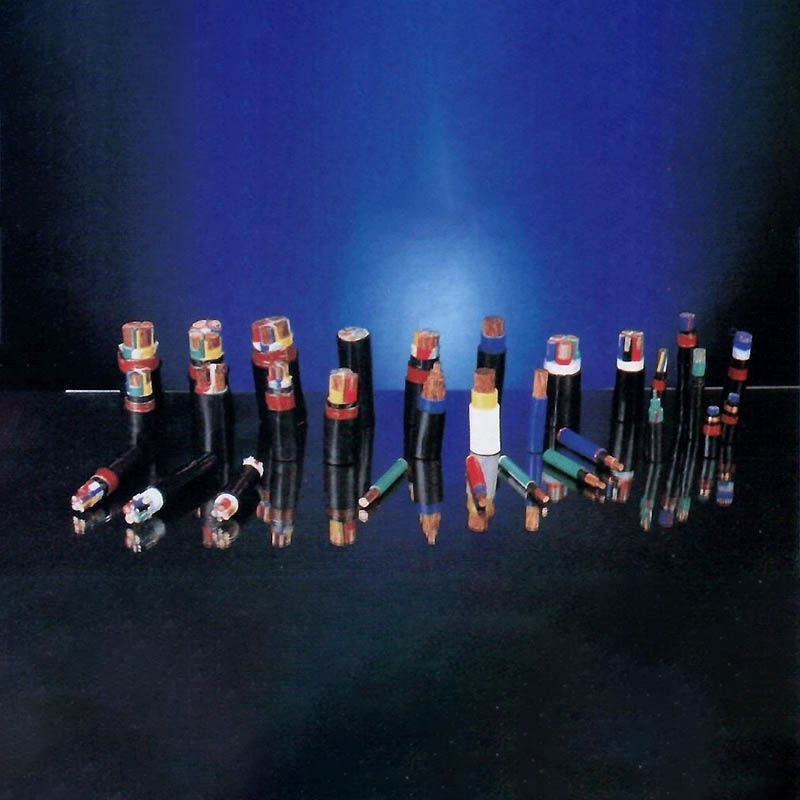
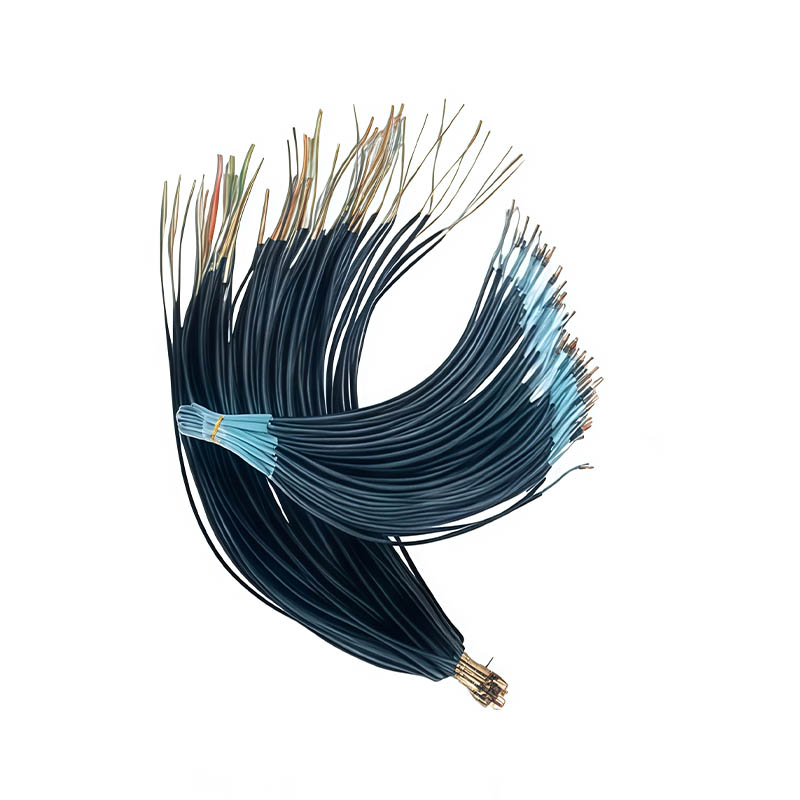
The foundation of stable power transmission is the material composition of the conductor itself. High-quality air conditioner cables almost exclusively utilize copper cores, available in various specifications such as BV (solid copper), RV (flexible copper), and BVR (stranded copper). Copper is chosen for its superior electrical conductivity, which allows electricity to flow with minimal resistance. In the context of an air conditioner, which is a high-power appliance, low resistance is vital. If a cable has high resistance, a significant portion of the electrical energy is converted into waste heat rather than powering the compressor and fans. This phenomenon, known as voltage drop, can cause the air conditioner to struggle during startup, run inefficiently, or shut down unexpectedly. By using pure copper conductors, these cables ensure that the voltage reaching the air conditioner remains consistent with the supply voltage, allowing the unit to operate at its peak performance capacity.
Beyond the material, the physical dimension of the cable, known as the cross-sectional area or gauge, plays a pivotal role in maintaining stability. Air conditioners, particularly larger units like cabinet types or central systems, draw a substantial amount of current. The connection cables are manufactured in a wide range of sizes, typically from 1mm² to 220mm², to match these specific power requirements. Using a cable that is too thin for a high-power unit creates a bottleneck, leading to overheating and potential fire hazards. Conversely, selecting the correct cable size—such as using a 4mm² or 6mm² cable for larger units—ensures that the wire can handle the amperage load without exceeding its thermal limits. This proper sizing prevents the wires from expanding and contracting excessively due to heat cycles, which preserves the integrity of the connection points over time.
The stability of power transmission is also heavily dependent on the quality of the insulation and the physical construction of the cable. Air conditioner cables are often subjected to harsh environments, including direct sunlight, rain, and temperature fluctuations, especially on the outdoor side. To combat this, these cables are encased in durable insulating materials like chloroprene rubber or high-grade PVC. This insulation serves a dual purpose. First, it prevents current leakage, ensuring that the electricity stays within the conductor and does not pose a shock hazard to users. Second, it protects the copper core from environmental corrosion and physical damage. A compromised cable can lead to short circuits, which interrupt power flow and can damage the sensitive electronic control boards within modern inverter air conditioners.
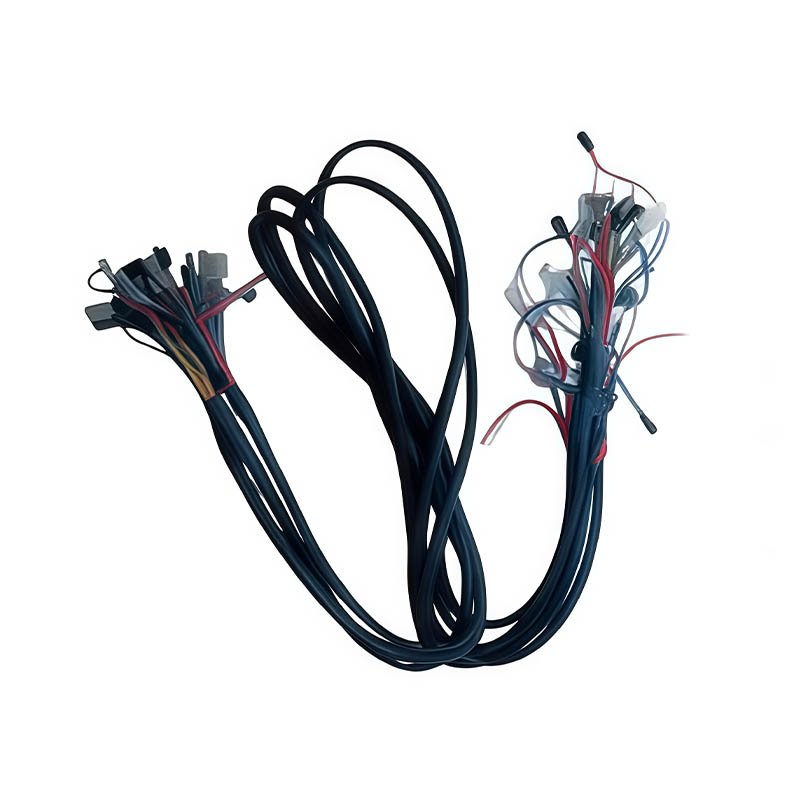
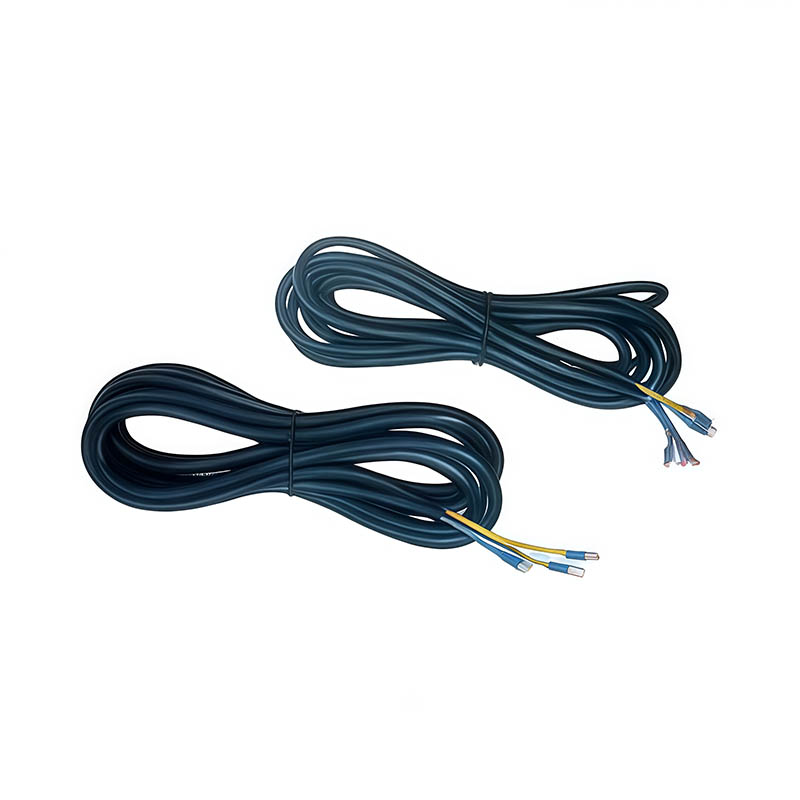
Furthermore, the type of copper core construction—solid versus stranded—affects the reliability of the installation, which indirectly influences long-term stability. For fixed installations, solid BV wires provide a rigid and stable connection that is resistant to loosening over time. For scenarios requiring flexibility, such as connecting the indoor unit to the terminal block, BVR or RV cables, which consist of multiple strands of thinner copper wire, are used. These stranded cables are highly malleable, allowing installers to route them neatly without stressing the metal. A neat, stress-free installation ensures that the connection terminals remain tight. Loose connections are a primary cause of arcing and sparking, which create electrical noise and instability that can disrupt the communication signals between the indoor and outdoor units.
In conclusion, air conditioner connection cables are far more than simple wires; they are engineered components designed to guarantee the safe and efficient operation of cooling systems. Through the use of high-conductivity copper, appropriate sizing to prevent voltage drops, and rugged insulation to withstand environmental stress, these cables ensure that stable power is delivered consistently. This stability not only protects the appliance from damage but also ensures that the energy paid for by the user is effectively converted into cool, comfortable air.
The foundation of stable power transmission is the material composition of the conductor itself. High-quality air conditioner cables almost exclusively utilize copper cores, available in various specifications such as BV (solid copper), RV (flexible copper), and BVR (stranded copper). Copper is chosen for its superior electrical conductivity, which allows electricity to flow with minimal resistance. In the context of an air conditioner, which is a high-power appliance, low resistance is vital. If a cable has high resistance, a significant portion of the electrical energy is converted into waste heat rather than powering the compressor and fans. This phenomenon, known as voltage drop, can cause the air conditioner to struggle during startup, run inefficiently, or shut down unexpectedly. By using pure copper conductors, these cables ensure that the voltage reaching the air conditioner remains consistent with the supply voltage, allowing the unit to operate at its peak performance capacity.
Beyond the material, the physical dimension of the cable, known as the cross-sectional area or gauge, plays a pivotal role in maintaining stability. Air conditioners, particularly larger units like cabinet types or central systems, draw a substantial amount of current. The connection cables are manufactured in a wide range of sizes, typically from 1mm² to 220mm², to match these specific power requirements. Using a cable that is too thin for a high-power unit creates a bottleneck, leading to overheating and potential fire hazards. Conversely, selecting the correct cable size—such as using a 4mm² or 6mm² cable for larger units—ensures that the wire can handle the amperage load without exceeding its thermal limits. This proper sizing prevents the wires from expanding and contracting excessively due to heat cycles, which preserves the integrity of the connection points over time.
The stability of power transmission is also heavily dependent on the quality of the insulation and the physical construction of the cable. Air conditioner cables are often subjected to harsh environments, including direct sunlight, rain, and temperature fluctuations, especially on the outdoor side. To combat this, these cables are encased in durable insulating materials like chloroprene rubber or high-grade PVC. This insulation serves a dual purpose. First, it prevents current leakage, ensuring that the electricity stays within the conductor and does not pose a shock hazard to users. Second, it protects the copper core from environmental corrosion and physical damage. A compromised cable can lead to short circuits, which interrupt power flow and can damage the sensitive electronic control boards within modern inverter air conditioners.
Furthermore, the type of copper core construction—solid versus stranded—affects the reliability of the installation, which indirectly influences long-term stability. For fixed installations, solid BV wires provide a rigid and stable connection that is resistant to loosening over time. For scenarios requiring flexibility, such as connecting the indoor unit to the terminal block, BVR or RV cables, which consist of multiple strands of thinner copper wire, are used. These stranded cables are highly malleable, allowing installers to route them neatly without stressing the metal. A neat, stress-free installation ensures that the connection terminals remain tight. Loose connections are a primary cause of arcing and sparking, which create electrical noise and instability that can disrupt the communication signals between the indoor and outdoor units.
In conclusion, air conditioner connection cables are far more than simple wires; they are engineered components designed to guarantee the safe and efficient operation of cooling systems. Through the use of high-conductivity copper, appropriate sizing to prevent voltage drops, and rugged insulation to withstand environmental stress, these cables ensure that stable power is delivered consistently. This stability not only protects the appliance from damage but also ensures that the energy paid for by the user is effectively converted into cool, comfortable air.