


How can the structural design of air conditioner connection cables improve conductivity and safety under high current transmission conditions?
Release Time : 2026-04-23
As a crucial carrier of power transmission, air conditioner connection cables must simultaneously meet the requirements of high conductivity and reliable safety under high current conditions. An unreasonable structural design can easily lead to overheating, energy loss, and even safety hazards.
1. Optimize Conductor Material and Cross-Section Design
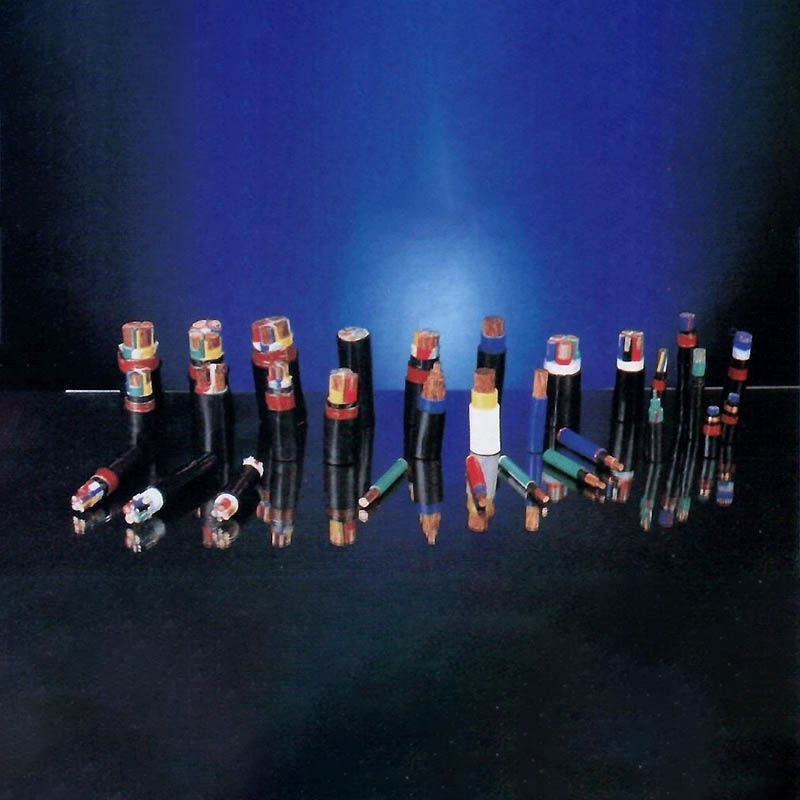
The conductor is the core component of current transmission, and its material and cross-section directly affect conductivity. High-purity copper or high-conductivity alloys are typically chosen as conductor materials to reduce resistance loss. Structurally, by appropriately increasing the conductor cross-sectional area, the unit current density can be effectively reduced, thereby reducing heat generation. Simultaneously, using a multi-strand fine-wire stranded structure not only improves flexibility but also helps to achieve a more uniform current distribution.
2. Reasonable Stranding Structure Reduces the Skin Effect
Under high current or certain frequency conditions, current tends to concentrate on the conductor surface, the so-called skin effect. By optimizing the conductor stranding method, the current can be evenly distributed among the strands, which can reduce the loss caused by this effect to a certain extent. Furthermore, a fine-strand stranded structure can reduce internal gaps and improve overall conductivity stability.
3. Enhance Insulation Performance to Ensure Safety
The insulation layer is a crucial safety barrier. In high-current environments, conductor temperatures rise significantly, necessitating the selection of insulation materials with excellent high-temperature resistance and aging resistance. Increasing insulation thickness or employing multi-layer composite insulation structures effectively prevents leakage and breakdown risks. Furthermore, good insulation performance reduces energy loss and improves overall efficiency.
4. Enhance Heat Dissipation Structure to Reduce Temperature Rise
Wires inevitably generate heat when transmitting high currents. Optimizing cable structure, such as controlling conductor arrangement, increasing heat dissipation space, or using sheath materials with better thermal conductivity, promotes heat dissipation. Additionally, avoiding overly compact structures in the design facilitates airflow, thereby reducing operating temperature.
5. Optimize Sheath and Protective Structure to Enhance Durability
The outer sheath not only provides mechanical protection but also affects overall safety performance. Using sheath materials with good wear resistance, corrosion resistance, and flame retardancy protects the internal structure from damage in complex environments. Simultaneously, enhanced tensile and bending resistance helps maintain structural integrity during installation and use, preventing performance degradation due to external forces.
6. Enhanced Connection Design Reduces Contact Loss
Connection terminals are critical nodes for current transmission; poor contact can generate additional resistance and heat. Optimizing terminal structure to ensure sufficient and tight contact surfaces reduces contact resistance. Simultaneously, using highly conductive materials and reliable connection processes helps improve overall transmission efficiency and safety.
1. Optimize Conductor Material and Cross-Section Design
The conductor is the core component of current transmission, and its material and cross-section directly affect conductivity. High-purity copper or high-conductivity alloys are typically chosen as conductor materials to reduce resistance loss. Structurally, by appropriately increasing the conductor cross-sectional area, the unit current density can be effectively reduced, thereby reducing heat generation. Simultaneously, using a multi-strand fine-wire stranded structure not only improves flexibility but also helps to achieve a more uniform current distribution.
2. Reasonable Stranding Structure Reduces the Skin Effect
Under high current or certain frequency conditions, current tends to concentrate on the conductor surface, the so-called skin effect. By optimizing the conductor stranding method, the current can be evenly distributed among the strands, which can reduce the loss caused by this effect to a certain extent. Furthermore, a fine-strand stranded structure can reduce internal gaps and improve overall conductivity stability.
3. Enhance Insulation Performance to Ensure Safety
The insulation layer is a crucial safety barrier. In high-current environments, conductor temperatures rise significantly, necessitating the selection of insulation materials with excellent high-temperature resistance and aging resistance. Increasing insulation thickness or employing multi-layer composite insulation structures effectively prevents leakage and breakdown risks. Furthermore, good insulation performance reduces energy loss and improves overall efficiency.
4. Enhance Heat Dissipation Structure to Reduce Temperature Rise
Wires inevitably generate heat when transmitting high currents. Optimizing cable structure, such as controlling conductor arrangement, increasing heat dissipation space, or using sheath materials with better thermal conductivity, promotes heat dissipation. Additionally, avoiding overly compact structures in the design facilitates airflow, thereby reducing operating temperature.
5. Optimize Sheath and Protective Structure to Enhance Durability
The outer sheath not only provides mechanical protection but also affects overall safety performance. Using sheath materials with good wear resistance, corrosion resistance, and flame retardancy protects the internal structure from damage in complex environments. Simultaneously, enhanced tensile and bending resistance helps maintain structural integrity during installation and use, preventing performance degradation due to external forces.
6. Enhanced Connection Design Reduces Contact Loss
Connection terminals are critical nodes for current transmission; poor contact can generate additional resistance and heat. Optimizing terminal structure to ensure sufficient and tight contact surfaces reduces contact resistance. Simultaneously, using highly conductive materials and reliable connection processes helps improve overall transmission efficiency and safety.
Achieving improved conductivity and safety under air conditioner connection cable requires comprehensive optimization of conductor design, insulation systems, heat dissipation structures, and connection methods. Scientific design and appropriate material selection effectively reduce energy loss and temperature rise risks, ensuring long-term stable system operation.