


How can high-standard insulation design improve the overall electrical safety of a motorcycle main cable?
Release Time : 2026-04-16
In a motorcycle's electrical system, the main cable plays a crucial role in power transmission and system connection. Its insulation performance directly affects the overall electrical safety and operational stability of the vehicle. Since motorcycles often operate in complex environments with high vibration, large temperature variations, and humidity, high-standard insulation design not only prevents leakage and short circuits but also effectively improves the overall safety and reliability of the vehicle.
1. Using High-Performance Insulation Materials to Enhance Basic Safety
Insulation materials are the core of ensuring cable safety. Motorcycle main cables typically require materials with excellent high-temperature resistance and aging resistance, such as cross-linked polyethylene or high-performance PVC. These materials not only possess good electrical insulation properties but also maintain a stable structure under high or low temperature conditions, preventing insulation failure due to material embrittlement or softening, thereby improving overall safety.
2. Optimizing Insulation Layer Structure to Enhance Protection
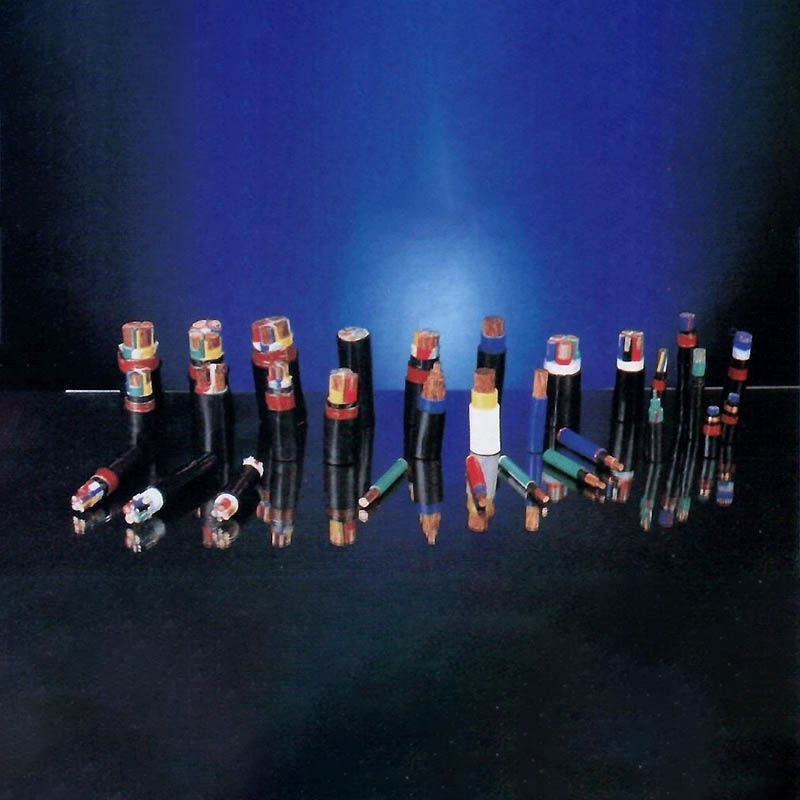
Through multi-layer insulation structure design, the cable's safety performance can be further improved. For example, adding a protective layer or sheath layer outside the main insulation layer allows the cable to maintain insulation integrity even when subjected to mechanical impact or friction. Meanwhile, properly controlling the insulation layer thickness, ensuring it meets pressure resistance requirements without excessively increasing weight, helps achieve a balance between performance and structure.
3. Enhancing Environmental Resistance to Cope with Complex Operating Conditions
Motorcycles are frequently used in environments with rain, dust, and oil contamination; therefore, the insulation design must possess excellent waterproof, oil-proof, and corrosion-resistant capabilities. Adding functional additives to the materials or employing special surface treatment processes can enhance the sealing and corrosion resistance of the insulation layer, thereby reducing the impact of the external environment on cable performance.
4. Strengthening Abrasion and Vibration Resistance to Extend Service Life
During operation, cables are subjected to continuous vibration and friction. By improving the abrasion resistance of the insulation layer and optimizing the cable's outer sheath structure, the risk of insulation damage due to wear can be reduced. Simultaneously, proper wiring and fixing methods also help reduce the long-term effects of vibration on the cable, thereby improving system reliability.
5. Optimizing Shielding and Grounding Design to Reduce Interference Risks
In some high-end motorcycles, the electronic control system is complex and sensitive to electromagnetic interference. By adding a shielding layer to the cable and combining it with a good grounding design, the impact of external interference on the electrical system can be effectively reduced. Meanwhile, a stable electrical environment also helps avoid safety hazards caused by abnormal signals.
6. Strengthening Production Processes and Quality Inspection to Ensure Consistency
High-standard insulation design relies not only on materials and structure but also on advanced manufacturing processes. During production, extrusion process parameters should be strictly controlled to ensure a uniform and defect-free insulation layer. Simultaneously, quality inspection methods such as withstand voltage testing and insulation resistance testing can effectively screen out substandard products, ensuring consistency and reliability in mass production.
In summary, the motorcycle main cable, through the selection of high-performance materials, multi-layer structural design, and a comprehensive process and testing system, can significantly improve insulation performance, thereby enhancing the overall electrical safety of the vehicle. In complex operating environments, this systematic design approach not only reduces the risk of failure but also provides a more stable and reliable electrical guarantee for the entire vehicle.
1. Using High-Performance Insulation Materials to Enhance Basic Safety
Insulation materials are the core of ensuring cable safety. Motorcycle main cables typically require materials with excellent high-temperature resistance and aging resistance, such as cross-linked polyethylene or high-performance PVC. These materials not only possess good electrical insulation properties but also maintain a stable structure under high or low temperature conditions, preventing insulation failure due to material embrittlement or softening, thereby improving overall safety.
2. Optimizing Insulation Layer Structure to Enhance Protection
Through multi-layer insulation structure design, the cable's safety performance can be further improved. For example, adding a protective layer or sheath layer outside the main insulation layer allows the cable to maintain insulation integrity even when subjected to mechanical impact or friction. Meanwhile, properly controlling the insulation layer thickness, ensuring it meets pressure resistance requirements without excessively increasing weight, helps achieve a balance between performance and structure.
3. Enhancing Environmental Resistance to Cope with Complex Operating Conditions
Motorcycles are frequently used in environments with rain, dust, and oil contamination; therefore, the insulation design must possess excellent waterproof, oil-proof, and corrosion-resistant capabilities. Adding functional additives to the materials or employing special surface treatment processes can enhance the sealing and corrosion resistance of the insulation layer, thereby reducing the impact of the external environment on cable performance.
4. Strengthening Abrasion and Vibration Resistance to Extend Service Life
During operation, cables are subjected to continuous vibration and friction. By improving the abrasion resistance of the insulation layer and optimizing the cable's outer sheath structure, the risk of insulation damage due to wear can be reduced. Simultaneously, proper wiring and fixing methods also help reduce the long-term effects of vibration on the cable, thereby improving system reliability.
5. Optimizing Shielding and Grounding Design to Reduce Interference Risks
In some high-end motorcycles, the electronic control system is complex and sensitive to electromagnetic interference. By adding a shielding layer to the cable and combining it with a good grounding design, the impact of external interference on the electrical system can be effectively reduced. Meanwhile, a stable electrical environment also helps avoid safety hazards caused by abnormal signals.
6. Strengthening Production Processes and Quality Inspection to Ensure Consistency
High-standard insulation design relies not only on materials and structure but also on advanced manufacturing processes. During production, extrusion process parameters should be strictly controlled to ensure a uniform and defect-free insulation layer. Simultaneously, quality inspection methods such as withstand voltage testing and insulation resistance testing can effectively screen out substandard products, ensuring consistency and reliability in mass production.
In summary, the motorcycle main cable, through the selection of high-performance materials, multi-layer structural design, and a comprehensive process and testing system, can significantly improve insulation performance, thereby enhancing the overall electrical safety of the vehicle. In complex operating environments, this systematic design approach not only reduces the risk of failure but also provides a more stable and reliable electrical guarantee for the entire vehicle.