


How can the flexibility and wear resistance of the outer sheath be ensured during the production of electric vehicle main cables?
Release Time : 2026-04-04
The outer sheath of an electric vehicle's main cable serves as a crucial barrier protecting the internal conductors, and its flexibility and abrasion resistance directly impact the cable's reliability, lifespan, and safety. During production, a comprehensive approach is needed, encompassing material selection, formulation design, process control, structural optimization, quality inspection, environmental adaptability, and continuous improvement, to achieve a balance and enhancement of the outer sheath's performance.
Material selection is fundamental. The outer sheath must utilize polymer materials that combine flexibility and abrasion resistance, such as thermoplastic polyurethane elastomer (TPU), thermoplastic elastomer (TPE), or modified polyvinyl chloride (PVC). TPU is renowned for its high strength and abrasion resistance, but its flexibility requires optimization through adjusting the ratio of its soft and hard segments. TPE, with its environmentally friendly, non-toxic nature and wide hardness range, excels in flexibility, but its abrasion resistance needs improvement through the addition of reinforcing fillers. Modified PVC, by incorporating plasticizers and stabilizers, can improve abrasion resistance while maintaining flexibility. Material selection must be tailored to the cable's intended use. For example, automotive wiring harnesses subject to frequent bending require priority to flexibility, while charging cables exposed to mechanical friction need enhanced abrasion resistance.
Formulation design is crucial. Adding functional additives can significantly improve the overall performance of the outer sheath. For instance, nano-sized silica or silicon carbide, used as abrasion-resistant fillers, can enhance surface hardness and reduce wear; the addition of elastomers such as nitrile rubber (NBR) can improve flexibility and alleviate bending stress; the synergistic effect of antioxidants and UV absorbers can delay material aging and prevent abrasion resistance degradation due to embrittlement. Furthermore, the addition of low-smoke halogen-free flame retardants must balance flame retardancy with physical properties to prevent damage to the material structure due to the flame retardant system.
Process control is essential. The extrusion process is the core of outer sheath molding, requiring strict control of temperature, speed, and cooling methods. Excessive temperature can lead to material decomposition and reduced abrasion resistance; excessively low temperature may cause surface cracks, affecting flexibility. Matching the screw speed with the traction speed requires ensuring uniform outer sheath thickness and avoiding localized weak points. Gradual cooling is necessary to prevent residual internal stress due to sudden cooling, thereby improving bending life. For multi-layered composite outer sheaths, co-extrusion technology is needed to achieve tight interlayer bonding, preventing delamination and subsequent decrease in wear resistance.
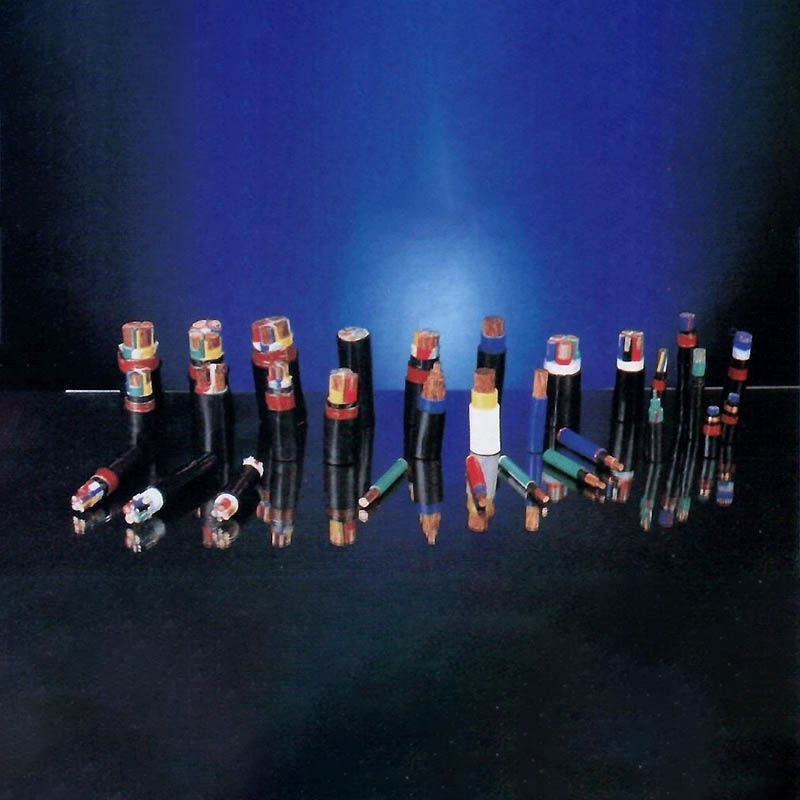
Structural optimization is a key area for innovation. Double-layer designs can balance flexibility and wear resistance; for example, the inner layer uses a highly flexible material to absorb bending stress, while the outer layer uses a highly wear-resistant material to resist mechanical damage. Helical winding processes, by altering the surface morphology of the outer sheath, can disperse friction and extend the wear cycle. Furthermore, surface texture treatments such as raised or corrugated structures can increase the coefficient of friction, improve drag resistance, and reduce the direct contact area with the contact surface, thus lowering the wear rate.
Quality inspection is crucial. Multiple inspection procedures must be implemented during production, including visual inspection, thickness measurement, flexibility testing (such as bending tests), and wear resistance testing (such as sandpaper dragging or scraping tests). For abrasion resistance, actual usage scenarios need to be simulated to set reasonable friction cycles or abrasion standards. For flexibility, the structural integrity of the cable under minimum bending radius needs to be verified. Test results must be compared with industry standards, such as IEC 62893 or GB/T 33594, to ensure the outer sheath performance meets the standards.
Environmental adaptability is a long-term consideration. Electric vehicle main cables may face extreme environments such as high temperatures, low temperatures, humidity, and chemical corrosion. The outer sheath needs to pass environmental adaptability tests. For example, high-temperature aging tests verify the material's flexibility retention rate under long-term thermal effects; low-temperature bending tests ensure the cable can still bend flexibly in cold environments; oil resistance tests verify the material's dimensional stability when in contact with lubricating oil or fuel. Through environmental simulation, the performance degradation risk of the outer sheath can be identified in advance, allowing for optimization of formulations and processes.
Continuous improvement is the driving force for advancement. By collecting user feedback and failure analysis data, weak points in the outer sheath can be located. For example, if a batch of cables is found to be prone to wear at the charging interface, the outer sheath thickness in that area can be increased or a higher abrasion-resistant material can be used. At the same time, we should pay attention to the development of new materials and technologies, such as the potential of graphene-modified materials in improving wear resistance, or the advantages of bio-based materials in environmental protection, to promote the iterative upgrading of the performance of the outer sheath.